
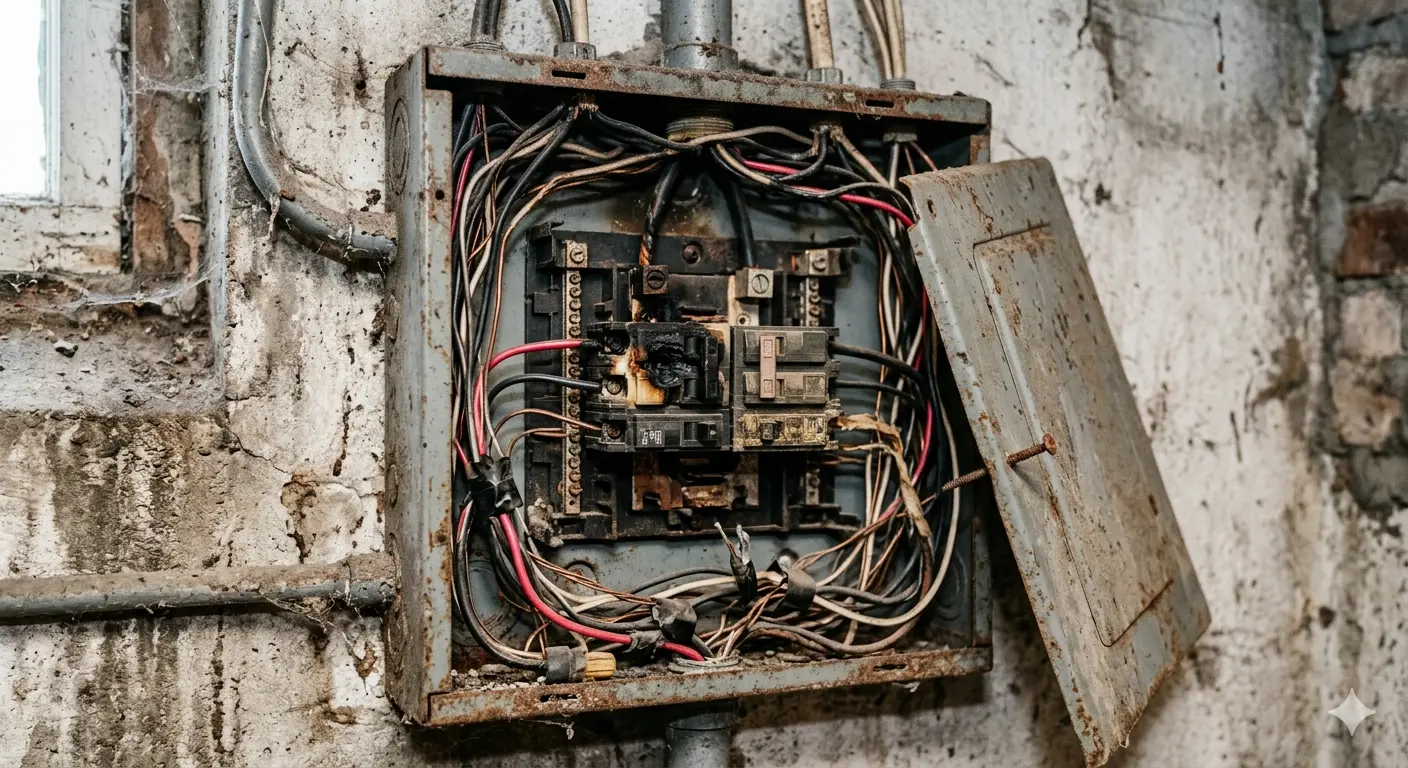
If your circuit breaker keeps tripping, it’s usually protecting your home from electrical hazards. Common causes include overloaded circuits, faulty wiring, or appliance issues. Understanding these factors can help you troubleshoot safely and prevent recurring problems before they escalate.
What Causes a Circuit Breaker to Trip?
A circuit breaker trips when it detects excess current. This is a safety mechanism to prevent fires, damage, or electrocution. Typical causes include:
- Overloaded circuits: Too many devices drawing power at once.
- Short circuits: Faulty wiring connecting live and neutral wires.
- Ground faults: Unintended contact between a live wire and the earth.
- Old or faulty breakers: Components wear out over time.
FMZ Electrical sees that overloaded circuits are often the culprit in residential homes, especially with modern appliances like heaters, air conditioners, or power-hungry kitchen gadgets.
How to Identify Electrical Faults at Home
To pinpoint why your circuit breaker keeps tripping, you can follow these steps safely:
- List all connected appliances on the affected circuit.
- Unplug devices one by one and reset the breaker to see if the issue persists.
- Check wiring for visible signs of damage, burning, or fraying.
- Test appliances individually to rule out faulty units.
Using a multimeter to measure current and continuity can help identify issues, but this should only be done if you have experience with electrical systems. Safety is paramount.
Preventing Frequent Trips
Prevention is often better than repeated repairs. You can reduce breaker trips by:
- Distributing electrical load across multiple circuits.
- Upgrading wiring for older homes to meet current Australian standards (AS/NZS 3000:2018).
- Replacing old appliances or those showing signs of electrical faults.
- Installing residual current devices (RCDs) for added protection.
Routine electrical inspections by a licensed electrician ensure your home’s safety and compliance with national regulations.
When to Call a Professional
Some issues are best handled by professionals. Call FMZ Electrical if:
- Your breaker trips repeatedly despite reducing load.
- You notice sparks, burning smells, or flickering lights.
- You suspect wiring or breaker faults that are not visible.
- You plan to install high-power appliances or remodel your home.
Attempting repairs beyond basic troubleshooting can be dangerous. Licensed electricians can safely test circuits, replace faulty components, and ensure compliance with AS/NZS standards.
Conclusion
Frequent circuit breaker trips are a sign that your electrical system needs attention. Identifying whether it’s an overloaded circuit, appliance fault, or wiring issue can save you time, money, and risk. FMZ Electrical provides professional assessments and repairs across Australia, helping you keep your home safe and your power running smoothly.
FAQ
Q1: Can I reset a tripping breaker multiple times?
Yes, but only briefly. If it keeps tripping, this signals an underlying issue that requires professional inspection.
Q2: How do I know if the breaker itself is faulty?
Signs include breakers that trip without load, burning smells, or visible damage. A licensed electrician can test and replace faulty breakers safely.
Q3: Are overloaded circuits common in older homes?
Yes, older homes often have wiring designed for lower electrical loads. Upgrades may be necessary to handle modern appliances.
Q4: Can I fix wiring issues myself?
DIY electrical work is risky and not recommended. Always call a licensed professional to meet safety standards and avoid hazards.
