
Security habits have changed over the past decade. Many Sydney property owners once believed a sturdy lock, a front gate, and a sensor light were enough. That assumption often changed after a break-in nearby, repeated vandalism, or even a package disappearing from the front doorstep.
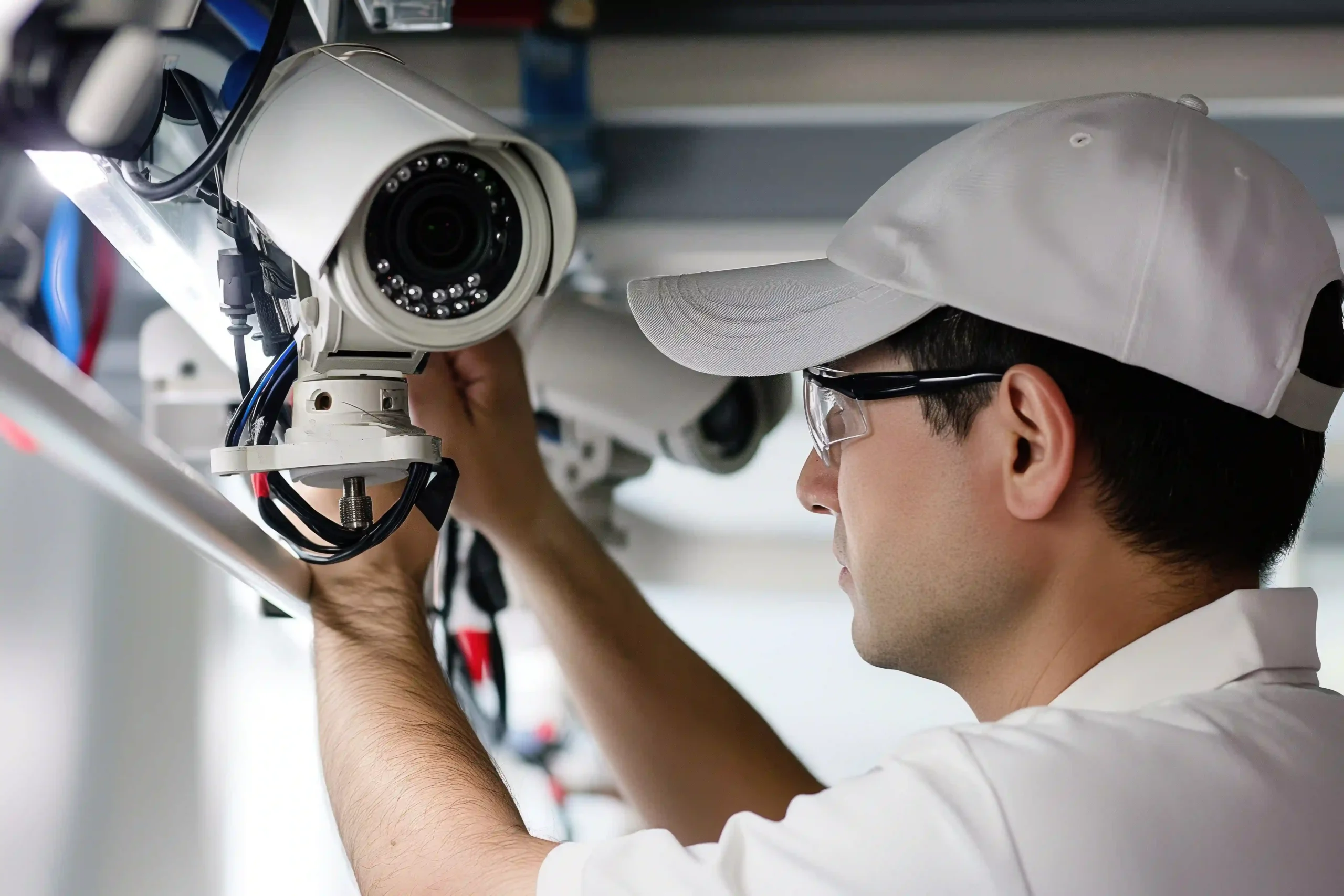
Professional CCTV Camera Installation has become one of the most practical investments for homeowners, landlords, retail operators, offices, warehouses, schools, and industrial facilities. A properly designed surveillance system is more than a collection of cameras. Every viewing angle, cable route, recording device, and storage setting influences how useful the system becomes when something actually happens.
The conversation around CCTV camera installation has also shifted beyond crime prevention. Families appreciate checking deliveries while away from home. Business owners monitor stock movement after hours. Property managers confirm contractor attendance. These practical uses have expanded the value of surveillance well beyond security alone.
Instead of just treating cameras like standalone gadgets, experienced sparkies tie surveillance right into your overall security system installation. They link it up with smartphone alerts, remote monitoring, swipe access, and a rock-solid electrical backbone that keeps the whole setup running reliably for years.
Why CCTV Camera Installation Starts with Good Planning
Planning rarely attracts attention because nobody notices it once the system works properly. Yet successful projects require more time on planning than the physical setup, proving that a quality CCTV camera installation relies entirely on careful preparation to deliver real security.
A common mistake involves chasing the widest possible viewing angle. Bigger coverage appears attractive until details disappear. Wide images can leave faces out, which is why a professional CCTV camera installation prioritises pixel density over empty space to ensure you actually catch critical details.
Another overlooked factor involves future expansion. A family may initially request four cameras before deciding two years later that side access, backyard storage, or a detached garage also requires monitoring. Leaving spare recording capacity, network allowance, and cable pathways during the original CCTV camera installation often saves substantial labour costs later.
Matching Surveillance Systems to Property Risk Levels
Every property tells a different story long before the first camera goes on the wall. Retail shops deal with customer traffic. Because treating every building the same usually produces disappointing results, a tailored CCTV camera installation must always be customised to match the unique vulnerabilities of the space.
People assume stuffing cameras onto gutters means better protection, but real-world experience says the opposite. Eight poorly angled lenses leave massive blind spots that four correctly placed units completely cover. Smart positioning beats excessive gear, proving a strategic CCTV camera installation prioritises clever angles over raw hardware numbers.
When managing commercial CCTV camera installation in Sydney, owners almost always want to monitor multiple job sites or offices from a single screen. That requirement changes everything – from the specific gear you buy to network bandwidth, hard drive storage, and tight cybersecurity. Having glitch-free, reliable access matters just as much as crystal-clear video.
Common Installation Errors Seen on Real Projects
A classic mistake is mounting cameras way too high up on a wall. Owners usually think pushing them up into the rafters keeps them safe from vandals. While that might be true, being too high up completely ruins your chances of facial recognition – your footage just winds up capturing the tops of people’s heads instead of clear, identifiable facial features.
Messy, exposed wires don’t just look awful – they compromise your home safety and security while inviting massive headaches from weather, UV rays, and pests. Clean cable management is what separates a rushed DIY job from a quality CCTV camera installation built to protect your wiring and ensure long-term reliability.
Poor night-time performance causes way more disappointment than daytime recording. If a camera is slapped too close to a brick wall, gutter, or glossy fence line, the infrared night vision bounces straight back into the lens, blinding the picture. Seasoned pros manually test and tweak these angles during CCTV camera installation rather than praying factory defaults work out of the box.
Choosing the Right CCTV Installation Company
Not every installer delivers the same quality.
Look for providers offering:
- Licensed technicians
- Experience across residential and commercial properties
- Clear quotations
- Quality equipment
- Warranty support
- Ongoing CCTV Camera Maintenance
- Professional cable management
- Future upgrade options
Experienced professionals design systems that remain effective for years rather than months.
Practical Benefits Beyond Crime Prevention Alone
Security discussions often begin with burglaries and quickly devolve into daily property management. Live footage ends missing package disputes, tracks contractors, and documents storm damage. This daily utility is why a smart CCTV camera installation provides ongoing value far beyond simple break-in security.
Parents love to check their phones and see kids getting home safely, and small business owners can audit morning openings from the comfort of their own homes rather than having to stand on the shop floor. That is why a modern CCTV camera installation quickly becomes an indispensable tool for real-time peace of mind and seamless management.
Staying on top of routine CCTV camera maintenance ensures those benefits don’t fade over time. It keeps lenses free of spiderwebs and dust, updates vital firmware, checks that the NVR recorder is breathing properly, and confirms hard drive storage is clear before a crucial piece of footage gets overwritten.
Professional CCTV Camera Installation vs DIY Installation
| DIY Installation | Professional CCTV Camera Installation |
|---|---|
| Limited planning | Site-specific security assessment |
| Possible blind spots | Maximum camera coverage |
| Basic setup | Professional configuration |
| Visible cables | Neat cable management |
| Limited testing | Complete system testing |
| Basic recording | Optimised recording quality |
| Difficult upgrades | Easy future expansion |
Integrating Security Into Daily Property Operations
Security gear is always at its best when individual pieces talk to one another rather than working in silos. Cameras provide the cold, hard visual evidence you need, while home alarm systems trigger the immediate, earsplitting alerts that scare off intruders. Pairing both gives you an ironclad setup that neither system can manage on its own.
Bigger commercial facilities are heavily leaning into tying their cameras right into their intercom and access control systems. It makes vetting visitors at the gate lightning fast, ensures every delivery is fully traceable, and locks down sensitive zones so only authorized staff can tap in. These operational wins go way beyond basic security.
Professionally planned security system installation also simplifies future upgrades. Additional cameras, remote monitoring features, cloud backup, and visitor management tools can often be added without rebuilding the original infrastructure from scratch.
Electrical Reliability Behind Every Camera System
Reliable surveillance depends upon reliable electrical infrastructure. Cameras cannot record valuable footage during unexpected power interruptions caused by overloaded circuits or ageing wiring. That reality receives surprisingly little attention during early planning discussions, which is why verifying your power supply before a CCTV camera installation is essential for uninterrupted security.
Booking an electrical safety inspection is a smart first step to check if your current circuits can actually handle the extra load. Older electrical switchboards often need a bit of love before you start piling on hard-drive recorders, POE network switches, and backup UPS batteries. Fixing power stability early saves you from random system drops later.
Commercial facilities often schedule routine electrical safety inspections, commercial electrical maintenance, and preventative servicing alongside surveillance checks. Coordinating both activities reduces downtime while providing technicians easier access to equipment rooms and network cabinets.
Balancing Cost Against Long-Term System Performance
Price always influences purchasing decisions. Understandably so. Yet the cheapest setup rarely remains the least expensive over ten years. Inferior cabling, undersized storage, and fragile gear often require premature replacement, which is why investing in a quality CCTV camera installation from the start saves you significant money on long-term repairs.
Certain older properties will require minor electrical upgrades before a modern multi-camera setup can run without tripping. Even though that adds a bit to your upfront budget, it guarantees rock-solid voltage stability and prepares your home or shop for future tech upgrades without needing to pay a sparky to come back out.
Reputable installers will always recommend a proper safety switch installation if your board is missing them. While a safety switch won’t magically make your 4K camera resolution look sharper, locking down that residual current protection safeguards both your family’s lives and your expensive security hardware from sudden electrical surges.
Choosing Experience Over Attractive Marketing Claims
Marketing pushes high resolutions and AI features, but practical experience matters more. A knowledgeable installer knows when expensive features deliver genuine value or when simpler gear performs just as well, ensuring your CCTV camera installation is cost-effective and perfectly matched to your needs.
It’s the diagnosing of tricky gremlins that separates the experienced master sparkies from the basic box droppers. Electrical Faults – Advanced: When cameras begin to drop offline randomly, lose packets, or reset, finding the cause is critical. You either fix the voltage/cabling issue, or you keep buying replacement cameras you don’t need. It saves you money.
Professional CCTV camera installation ultimately delivers confidence built through planning, practical knowledge, careful workmanship, and ongoing support. Cameras become dependable tools rather than decorative technology attached to walls. That difference becomes obvious not during installation day but months or years later when recorded footage answers difficult questions quickly and accurately.
Conclusion
Effective CCTV camera installation is rarely measured in the number of cameras or the costliest equipment. Effective surveillance depends on careful planning, sensible placement, good workmanship and an understanding of how people actually use a property on a day-to-day basis. Homes, offices, warehouses, retail stores and commercial buildings all present different challenges.
Seasoned pros spot the tiny details that property owners naturally overlook. Factors like exact sun angles, storage drive overwrite speeds, armoured cable protection, and clean electrical feeds dictate how the system runs long-term.
Spending a bit more on a professional layout prevents useless, blurry footage and endless maintenance bills down the track, which is why a premium CCTV camera installation pays for itself. Contact us today to get your security project started.
Frequently Asked Questions
1. How long does professional CCTV Camera Installation usually takes?
Most standard home installs are wrapped up neatly within a single day. Larger commercial sites can take anywhere from a few days to a week depending on concrete core drilling, fibre-optic cabling runs, and network stress tests. Proper blueprinting early keeps business downtime to an absolute minimum.
2. Is regular maintenance really necessary after installation?
You bet. Dust buildup, insect nests, baking sun, and operating system bugs will slowly degrade performance over time. A quick routine service keeps your lenses crystal clear, confirms the hard drives are actually recording when motion trips, and easily doubles the lifespan of your electronic gear.
3. Can existing security systems be upgraded instead of replaced?
In most cases, yes. Modern high-res cameras, upgraded NVRs, and remote smartphone apps can usually be spliced into your existing setup – provided your old coaxial or Ethernet cabling infrastructure is still healthy and the power supply is stable.
4. Do businesses benefit differently from CCTV than homeowners?
Commercial setups focus heavily on staff safety, shrinking stock theft, customer liability, and floor visibility. Residential systems are all about locking down front doors, driveways, package drop zones, and overall family safety – though all rely on the exact same standard of hardware reliability.
5. Does better image resolution always mean better security?
Not necessarily. A terrible camera position can completely ruin the usefulness of even a premium 4K camera. Getting the positioning right, balancing backlighting issues, and dialling in the software configuration do way more to deliver usable evidence to the police than raw resolution specs alone.
6. What should be considered before choosing an installer?
Look for a solid local track record, transparent itemised quotes, proper security master licensing, and clean cable management over flashy sales talk. A truly dependable technician designs a system that will protect your property for the next ten years, rather than just rushing through the job to get to the next ticket.
