
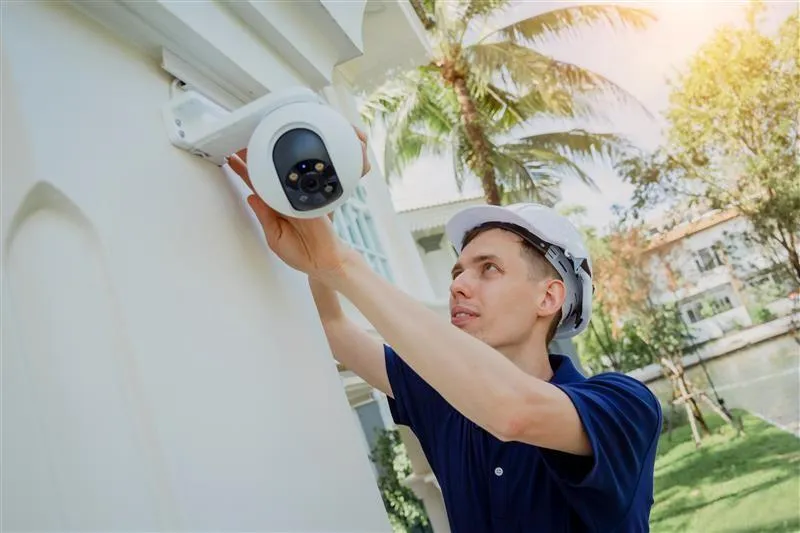
A camera is only useful when it captures the right place at the right time. CCTV camera installation for a Sydney business should begin with the property’s risks, layout and daily activity rather than a standard camera package.
A warehouse in Western Sydney, an office in North Sydney and a retail shop in the CBD can have very different security needs. Entrances, loading areas, customer movement, lighting and available mounting space can all affect the final design.
Considering Sydney’s weather and environment helps outdoor equipment remain dependable, giving property managers confidence their security measures are resilient.
CCTV camera installation For Sydney Businesses
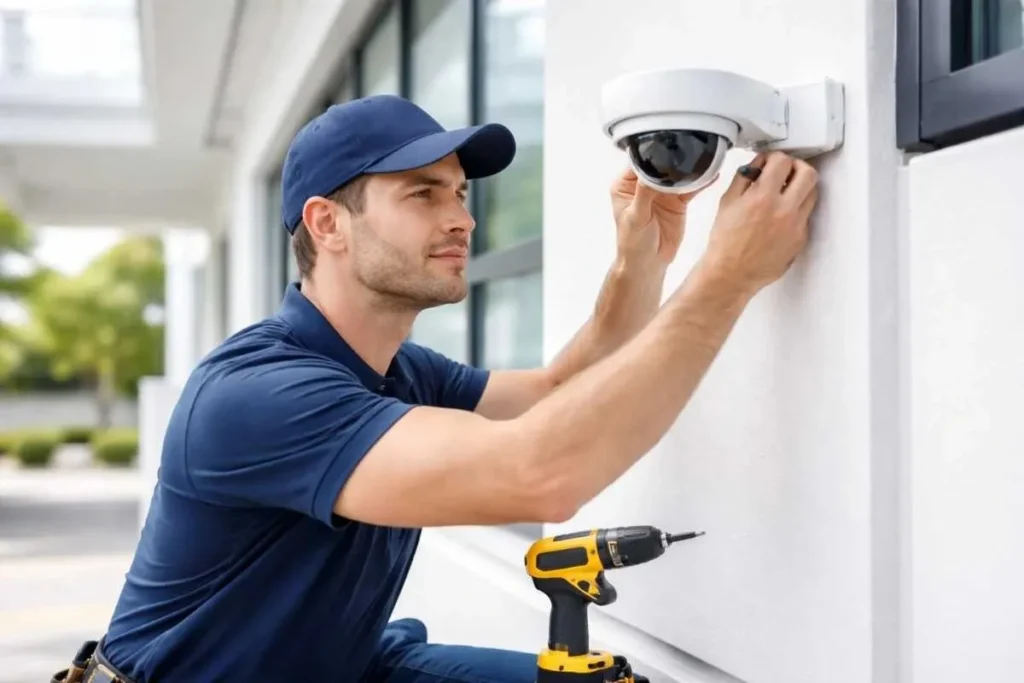
Start by walking through the property during normal operating hours and after closing. Watch where employees, customers, contractors, and deliveries move, then identify areas that could be difficult to monitor.
For CCTV camera installation Sydney, each camera should have a clear purpose. An entrance may require a more detailed view, while a warehouse camera may need to cover a wider loading or storage area.
Look closely at:
- Main and secondary entrances.
- Loading areas and vehicle access.
- Cash, stock or equipment areas.
- Blind spots behind walls, shelving or machinery.
- External areas that become poorly lit after dark.
Lighting deserves attention as well. A doorway that looks clear at midday may become difficult to monitor when low afternoon sunlight reaches the lens.
The first site assessment can prevent a common mistake: installing cameras where they are easy to mount rather than where they provide the most useful coverage.
Plan CCTV Installation Sydney Around Conditions
The property itself can determine how straightforward the installation will be. CCTV camera installation should account for the building’s structure, access and surroundings from the beginning.
CCTV installation Sydney projects in older brick buildings may involve difficult cable routes, while newer commercial premises might already have suitable network infrastructure. Ceiling access, wall construction and existing electrical services can all influence the work.
Sydney’s property mix creates further differences. Narrow Inner Sydney terraces may have limited external wall space and nearby neighbouring buildings. A larger Western Sydney property might offer more mounting options but require coverage across a longer driveway, side passage or yard.
Outdoor positioning also needs to account for the local environment. West-facing cameras can encounter strong afternoon glare, while exposed coastal properties may experience more salt-laden air.
Consider the camera’s position across seasons rather than judging it from a single visit. Growing vegetation, changing sunlight and outdoor activity can all alter what the camera sees.
Match Cameras To Sydney Weather
Outdoor equipment needs to suit the location where it will operate. With CCTV camera installation, choosing suitable equipment and positioning it carefully can help maintain useful coverage through changing conditions.
For security camera installation Sydney, direct sunlight is an important consideration because glare can reduce the usefulness of recorded footage. A camera beneath an eave may behave differently from one mounted on an exposed wall.
Rain is another practical issue. Consider water exposure, sheltered mounting positions, and access for future cleaning before installation. Coastal properties may also need greater attention to environmental exposure.
Vegetation should not be overlooked. A small plant may appear harmless during installation but gradually block a camera as it grows.
Compare CCTV Security Systems Sydney
Businesses should compare complete systems rather than judge a quotation by camera numbers alone.
CCTV security systems Sydney businesses consider should be assessed for coverage, image detail, recording, connectivity, access, and future requirements.
| Feature | What to check | Why it matters |
| Camera position | Area each camera can see | Helps reduce blind spots |
| Resolution | Detail required at each location | Supports useful identification |
| Night performance | Visibility after dark | Maintains coverage outside business hours |
| Storage | Recording capacity and retention | Determines available footage |
| Remote access | Users and authorised devices | Supports convenient monitoring |
| Cabling | Existing and new infrastructure | Affects installation complexity |
| Expansion | Ability to add equipment | Helps accommodate future changes |
A low-priced package may become more expensive if it excludes cabling, storage, or configuration. At the other end, paying for features that have no practical use does not necessarily improve security.
The most sensible choice is usually the system that fits the property’s actual risks rather than the package with the longest feature list.
Plan Commercial Security Around Operations
Commercial properties often have several activity zones operating at once. CCTV camera installation should reflect how employees, visitors, vehicles and stock move through the property.
A warehouse in Western Sydney may need coverage around loading docks, roller doors, vehicle access and valuable stock. A professional office may have fewer cameras but greater concern around staff access, visitors and restricted rooms.
With commercial CCTV installation Sydney, each camera should support a specific security objective. Some locations may need broad movement coverage, while others may require clearer images for identification.
Installation should also fit around normal business activity. Retailers may need customer areas to remain accessible, while warehouses may need work scheduled around deliveries and vehicle movement.
Businesses should consider possible changes at the same time. New storage areas, additional offices or altered access points can change surveillance needs later.
That does not mean buying unused equipment today. It means choosing an installation approach that does not make sensible future additions unnecessarily difficult.
Balance Residential Security Around Home Life
Homes need a different approach from commercial premises. Residents generally want useful visibility around entrances, garages, driveways and side access without covering every part of the property. CCTV camera installation should support everyday security without making the home feel overly monitored.
For residential CCTV installation Sydney, camera positions should also consider neighbouring homes, shared driveways and property boundaries.
A compact Inner Sydney terrace may have limited mounting options and buildings close to the property line. A larger Western Sydney home may have more space but a longer driveway, garage or side passage to monitor.
The system should fit the home rather than dominate its appearance. A camera aimed at a front gate does not need to capture unrelated neighbouring spaces.
Consider lighting and landscaping alongside the cameras. Dense planting can create concealed areas, while poor lighting can reduce the usefulness of footage after dark. The goal is simple: provide useful visibility around genuine access points while respecting how the household uses the property.
Protect Privacy And Meet Requirements
Businesses should consider applicable privacy and workplace surveillance requirements when deciding what CCTV captures, how footage is stored and who can access it. CCTV camera installation should therefore include privacy considerations before cameras are positioned.
Businesses should decide what each camera genuinely needs to capture and who should be able to view or download recordings. A camera should focus on the area relevant to its security purpose rather than unnecessarily recording neighbouring properties or private spaces.
For workplaces, CCTV surveillance installation Sydney should be considered alongside applicable NSW workplace surveillance requirements. Depending on the circumstances, businesses may have obligations concerning notification and the use of surveillance devices.
Licensing also matters. Relevant security equipment activities in NSW can require the appropriate security licence, while a licensed electrician must perform electrical wiring work. NSW electrical licensing requirements.
When comparing CCTV camera installers West Sydney or CCTV camera installers North Sydney, ask which parts of the proposed work they are licensed and qualified to perform.
A clear quotation should also identify equipment, cabling, mounting, configuration and other site work so businesses can compare providers properly.
Choose Professional CCTV Installation Sydney
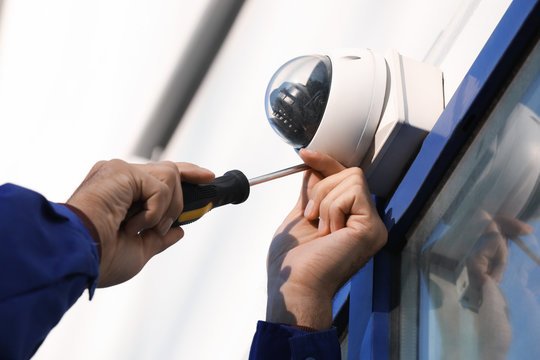
Online research can help you compare equipment, but the quality of the finished system depends heavily on site assessment, positioning and installation. CCTV camera installation should be planned around the property’s actual security requirements rather than a standard package.
With professional CCTV installation Sydney, the installer should be able to explain why each camera is recommended and what problem it is intended to address.
Businesses comparing security camera installers Sydney should ask about:
- Potential blind spots.
- Recording and storage arrangements.
- Remote access and authorised users.
- Cabling and network requirements.
- Maintenance and technical support.
The installation process usually begins with a site assessment and confirmation of camera positions. The team then mounts equipment, routes cables, configures recording equipment, and tests the completed system.
After installation, check more than whether every camera displays an image. Important areas should be visible, recordings should work correctly, and authorised users should understand the basic controls.
Businesses searching for CCTV installation services near me should also look beyond location. A nearby provider helps, but practical experience, licensing, clear quotations, and after-installation support matter more.
Build A System That Can Adapt
Security requirements can change as a property changes. CCTV camera installation should leave sensible room for those changes without adding equipment that the business does not currently need.
A retailer may expand its stockroom, an office may take another tenancy, or a warehouse may add a new loading area. A home business can also change how it uses an external space.
A business security camera installation Sydney project should therefore leave reasonable scope for future expansion where practical. The network, recording equipment and cabling approach should not unnecessarily restrict future additions.
This is particularly useful where accessing ceilings, walls or roof spaces would be disruptive after the building is occupied.
The same thinking applies to CCTV system installation Sydney. Future expansion does not mean installing unused cameras now. It means avoiding a design that makes sensible upgrades expensive or difficult later. A good system should be practical today while leaving room for the property to change.
Business CCTV Installation in Sydney: Getting It Right
For business CCTV installation, the biggest wins come from planning: cover every entry and exit, the point of sale, stock areas and car parks, then choose cameras that capture usable faces and number plates in low light. Use a professional installer who provides signage, follows privacy obligations and supports the system after installation.
FMZ Electrical designs and installs commercial CCTV for shops, offices, warehouses and farms. See our CCTV and alarm installation service, or our local pages for Castle Hill and Baulkham Hills, near Norwest.
Conclusion
A successful CCTV camera installation starts with understanding the property rather than choosing the largest package. Sydney’s mix of homes, offices, retail premises and industrial sites calls for different approaches, while sunlight, rainfall, coastal exposure, privacy, access and future changes can all influence the design. Careful planning can reduce blind spots, unnecessary equipment and avoidable installation problems.
If you are planning security upgrades for your Sydney property, contact FMZ Electrical to discuss your CCTV requirements, site conditions and the electrical or installation work involved.
Frequently Asked Questions
Which is cheaper to install, split or ducted?
Split systems usually cost far less upfront than ducted, since a ducted install requires far more parts and labor.
Can a ducted system cool only part of the house?
Yes. Ducted systems can be zoned to cool just certain areas. With a split system, you achieve the same effect by only turning on the units in the rooms you need.
Do I need an electrician for installation?
Yes. Australian law requires any AC installation (split or ducted) to be done by a licensed electrician. This ensures safety and compliance with standards.
Which uses less power – many splits or a ducted system?
It depends on use. Running multiple splits all day can draw more power than one zoned ducted system. In one example (~160 m² home), splits cost about $90/yr vs ~$125/yr for a ducted system.
How often should I maintain my AC?
Both types need an annual service. Clean split filters monthly (with a yearly professional check). Ducted systems have one main filter to clean and also need an annual service. Regular upkeep keeps them efficient.
Is a ducted system noisy?
Not in the rooms. Ducted AC is very quiet indoors – you only hear the gentle whoosh of air from vents (the noisy compressor is outside). Modern split units are also designed to run quietly in living spaces.
