
Introduction
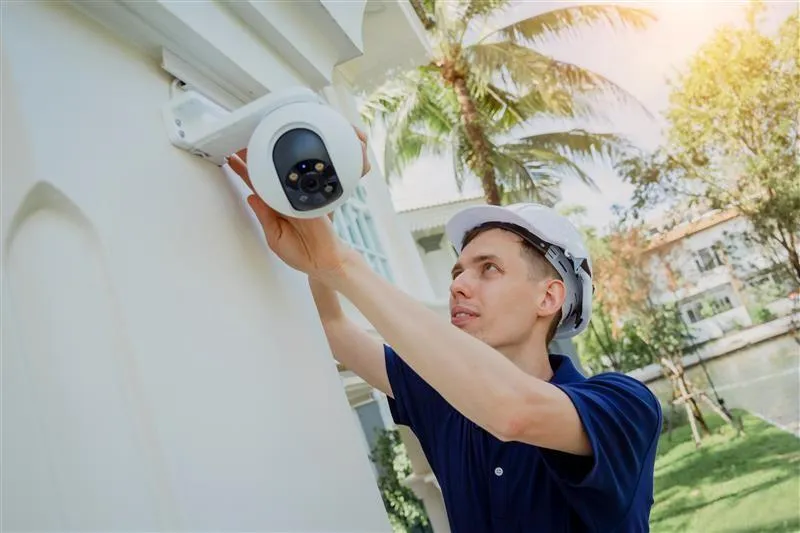
A front door lock may secure the obvious entrance, but what about the garage, rear slider, side gate or balcony? Home alarm systems can help monitor these less visible access points when your Sydney property is empty, or everyone is asleep.
The right setup depends on the property. An apartment has different access points from an Inner West terrace, while a Western Sydney house may need coverage around the driveway, garage and backyard.
Sydney’s lifestyle adds another layer. Warm evenings encourage open doors and outdoor entertaining, while heavy rain and storms can influence the residential alarm systems Sydney homeowners choose.
Home Alarm Systems For Sydney Homes
Start by walking around the property and identifying how someone could move from outside to inside.
For a detached home, check the garage, side gate, rear doors and ground-floor windows. In an Inner West terrace, a narrow side passage or rear courtyard can be more significant than the street-facing entrance. In an apartment, consider the private entry, balcony, and any accessible windows separately from the building’s shared security.
Design your setup to prioritize key access points like garage-to-house doors, rear entrances, and ground-floor windows to maintain reader focus on essential security areas.
Pay particular attention to:
- Garage-to-house doors.
- Rear and side entrances hidden from the street.
- Ground-floor windows behind fences or landscaping.
- Accessible balcony doors.
- Internal routes connecting vulnerable entrances with living areas.
This approach also helps avoid unnecessary sensors that could make everyday movement harder to manage.
How Zoning Works In Sydney Homes
Zoning is useful when different parts of a home follow different routines. Home security alarm systems Sydney properties use can divide garages, living spaces and bedrooms into separate zones.
Residents can manage these areas based on how the property is used, especially when different household routines require separate zones. For example, someone arriving through the garage does not need to activate every part of the home at once.
Separating areas like the downstairs garage and upstairs bedrooms can improve night-time security management, making routines more practical and understandable.
Door contacts and motion detection also serve different purposes. A door contact identifies an opening, while a motion sensor detects movement within a selected area. Using both can provide clearer information about what happened.
Consider pets before choosing motion detection. A dog regularly moving through the living room can affect sensor placement and settings. Home alarm systems should detect meaningful activity without interfering with normal household movement.
What To Consider Before Installation
The building itself should influence the installation. During home alarm installation Sydney projects, installers should consider sensor positions, control equipment, cable routes and the property’s existing electrical layout.
This is particularly relevant to older Sydney homes, where security alarm installation Sydney can involve finished walls, mixed construction and existing electrical work. A renovated terrace may combine original brick walls with newer extensions, making cable routes difficult after painting and finishing are complete.
Renovations provide an opportunity to plan concealed wiring before walls are closed. New builds offer even greater flexibility because security cabling can be coordinated with other electrical work. Home alarm systems should be planned alongside these electrical requirements rather than added after the finishing work is complete.
Sydney Weather And Equipment
Sydney’s weather affects both household behaviour and equipment placement. During warmer periods, residents often leave sliding doors open onto balconies, patios and courtyards. That changes how sensors should cover movement between indoor and outdoor areas.
Heavy rain and storms create another consideration. If equipment depends on mains power, ask what happens during an outage and whether backup power keeps essential functions operating.
Outdoor equipment should also suit its actual location. A device intended for an internal hallway should not be installed outside simply because it is close to the rear door.
For home alarm systems, placement should therefore consider rain exposure, outdoor movement, and access to power.
Test the system after significant storms or power outages to ensure it functions correctly, helping readers adopt reliable security habits and avoid gaps in protection.
Alarm Installation West Sydney Homes
Western Sydney properties often have larger driveways, attached garages, side access and backyard areas. These features can influence Alarm system installation West Sydney, particularly where several routes lead towards the house. Alarm systems should account for the garage-to-house door, rear access and less visible parts of the property rather than focusing only on the front entrance.
Alarm Installation North Sydney Homes
North Sydney includes apartments, terraces and multi-level homes with different access arrangements. Alarm system installation North Sydney should consider shared entrances, balconies, accessible windows and internal routes. Alarm systems should reflect the property’s actual access pattern rather than assuming every home has a standard suburban layout.
Wired Or Wireless For Sydney Homes
Wired and wireless systems each suit different properties. A new build or major renovation can favour wired equipment because cables can be concealed before walls are finished. A completed apartment or renovated terrace may favour wireless equipment because installing new cables could disturb finished surfaces.
For wireless home alarm systems Sydney homeowners should ask about signal range through walls and floors, battery replacement, and low-battery notifications.
A hybrid setup can also work well where some areas have easy cable access while others do not.
| Property situation | Option worth considering | Why |
| New build | Wired or hybrid | Cabling can be planned early |
| Major renovation | Wired or hybrid | Walls may already be accessible |
| Finished terrace | Wireless or hybrid | Less disruption |
| Apartment | Wireless | Flexible positioning |
| Large detached home | Hybrid or zoned | Different areas may need separate coverage |
The property should determine the technology, rather than choosing wireless or wired simply because one sounds newer.
Smart Security For Sydney Homes
Security increasingly sits alongside cameras, smart locks and other connected devices. Smart home alarm systems Sydney residents choose can provide mobile notifications, remote arming and compatible device integration. These features can help people who spend long hours away from home or travel regularly.
A notification identifying a rear-door sensor is more useful than a generic alarm message because it tells you where the event occurred.
Before connecting multiple products, check compatibility. Home security systems Sydney households already use may not communicate with every newer camera, smart lock or connected device.
Digital security matters as well. With smart security systems Sydney households use, strong passwords, software updates and removing old user access should be part of normal system management.
Smart features should solve a real problem. If nobody uses remote control or integration features, a simpler system may be the more sensible purchase.
Motion Sensor Alarm Systems Placement

A motion sensor should cover movement that would actually concern you. A hallway between a garage and the main living area can be useful because someone entering through the garage may need to cross it. A sensor facing a busy family room may produce more normal movement than meaningful alerts.
With motion sensor alarm systems, placement should account for pets, furniture, and how rooms are used. Home alarm systems should complement these movement patterns rather than create unnecessary alerts.
Tell the installer if a dog moves freely through the house. A new bookshelf, partition or home office can also change the area a sensor can detect.
Sydney’s indoor-outdoor lifestyle is relevant here. If people regularly move between the kitchen and patio during summer evenings, detection should accommodate that routine rather than repeatedly interrupting it.
Home Security Sensors Sydney: What To Cover
Different entry points require different types of detection. Home alarm systems can combine door contacts and movement detection to monitor specific access points without placing equipment on every opening.
When selecting home security sensors Sydney, homeowners should identify the events they actually want to know about.
A rear sliding door hidden behind fencing may deserve more attention than a front window facing a busy street. A garage-to-house door can also be important because it creates a second boundary after someone enters the garage.
Review:
- Rear and side doors.
- Garage-to-house access.
- Ground-floor windows concealed by landscaping.
- Accessible balcony doors.
- Internal routes from vulnerable entrances.
Not every opening needs its own device. Each sensor should have a defined purpose and a sensible position.
Professional Installation: What To Check
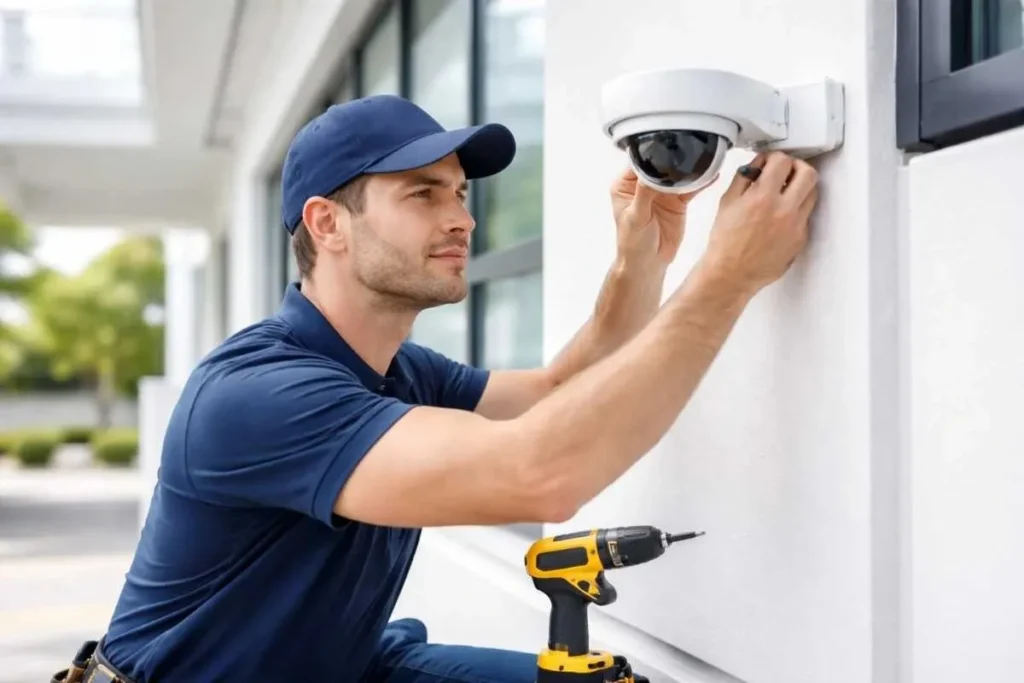
Professional alarm installation Sydney should leave you understanding how the system works, not simply knowing where the equipment is mounted.
For home alarm systems, ask the installer to demonstrate arming, disarming, triggered zones, and alert procedures before the job is considered complete.
If electrical wiring is involved, verify the electrician’s NSW licence and ask for the required compliance documentation. NSW requires licensed electrical work and CCEW certification for applicable electrical wiring work.
Testing should reflect real household behaviour. Open the garage, use the rear entrance, and walk through normal living areas. If you have pets, allow them to move normally during testing. This is often where poor sensor positioning becomes obvious.
Conclusion
Security decisions should follow the property’s actual access points, construction and daily routine. Home alarm systems are more useful when the garage, rear access, windows, balconies, and internal movement have been considered before selecting equipment.
If you need an alarm-related electrical installation, upgrade, or assessment, contact FMZ Electrical to discuss your Sydney property’s requirements.
Frequently Asked Questions
1. Do apartments need separate security?
Building access control does not necessarily protect the private apartment. Home alarm systems can provide additional coverage for the apartment’s entry door, accessible balcony and lower-level windows, depending on the property’s layout.
2. Does A Garage Door Need Alarm Protection?
Not always. A garage door and garage-to-house door represent separate access points. Home alarm systems can monitor these areas separately, helping distinguish someone entering the garage from someone progressing into the home’s living areas.
3. Are wireless systems suitable for older homes?
They can reduce disruption where finished walls make new cabling difficult. Before choosing home alarm systems, check wireless range, battery replacement requirements, and communication between devices across the home’s floors and walls.
4. Can storms affect alarm operation?
Power interruptions can affect equipment that depends on mains electricity. Ask about backup arrangements for home alarm systems and test the system after a significant outage before relying on it during a holiday.
5. How Do Pets Affect Alarm Sensors?
Tell the installer about pets before selecting home alarm systems. Their size, movement and access to rooms can influence sensor choice and placement, helping reduce unnecessary alerts while maintaining useful detection.
