
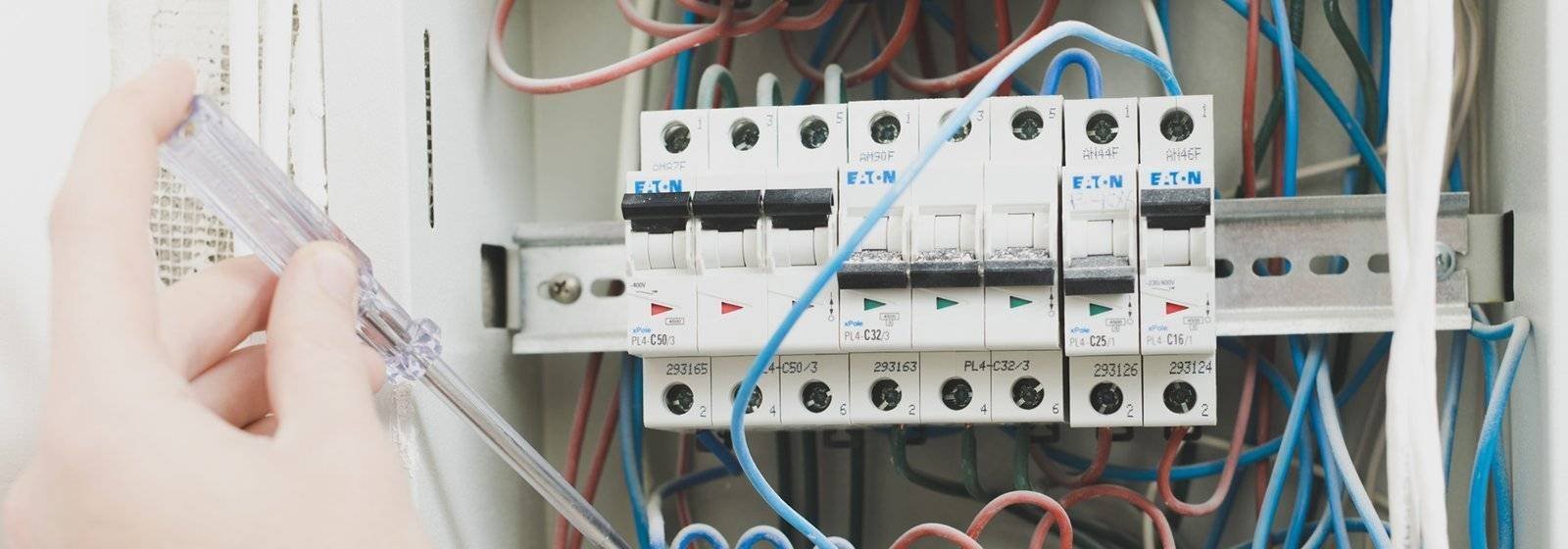
Sydney homes rely on more electrical equipment than they did a few decades ago. Air conditioning, pool pumps, EV chargers, home offices and security system installation can all add to the demands placed on an existing switchboard.
This is particularly relevant in older houses across Sydney. A property may have started with a much smaller electrical load and then gained renovated kitchens, extra rooms, outdoor power, cooling systems and new appliances over the years.
Weather is another consideration. Heavy rain, damp outdoor areas and salty coastal air can affect electrical equipment, especially around pools, gardens, garages and external power points. Regular safety-switch checks help confirm that the protection is responding as expected.
Why Security System Installation Needs Protection
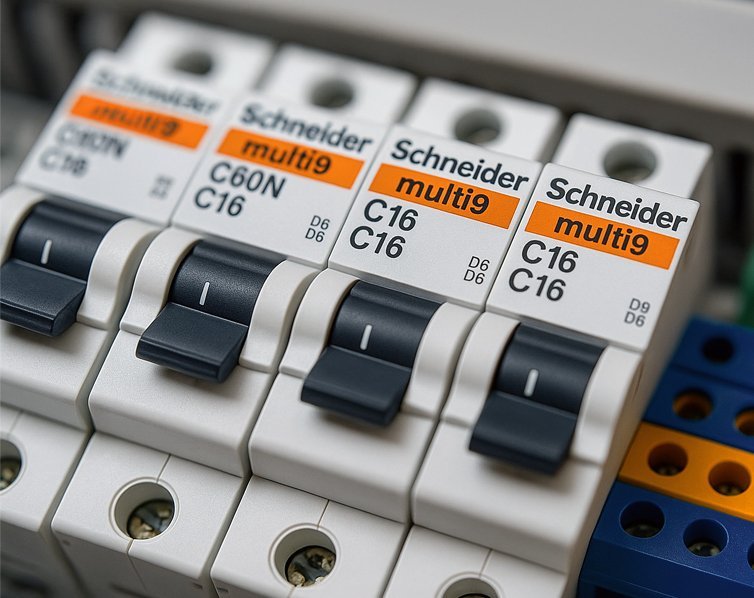
Cameras, alarms, intercoms and automated gates generally use less power than major household appliances. However, security system installation still needs to be considered as part of the property’s wider electrical setup.
External security equipment can be installed around driveways, entrances, garages and boundary areas. Those locations are more exposed to rain, moisture and accidental damage than equipment inside the home.
Sydney’s different property types also create different electrical conditions. A Federation home may have an older switchboard supporting several modern additions, while a newer townhouse may have dedicated circuits for equipment that did not exist in older properties.
Apartments can be different again. Some electrical equipment is within the apartment, while other infrastructure belongs to common property and may be managed by the owners corporation or strata.
A safety switch, also known as a residual current device or RCD, monitors electrical current and can disconnect power when it detects leakage to earth at a harmful level. It reduces the risk of serious electric shock, but it does not replace safe electrical practices or maintenance.
Safety Switch Testing Sydney Homes Need
A regular safety switch testing Sydney routine starts with the TEST button. Current NSW Government guidance recommends pressing the TEST button every three months. If the switch fails to operate, a licensed electrician should check it.
If you’re searching for how to test a safety switch, the household check is straightforward. Choose a suitable time, let everyone know the power will briefly be interrupted, then:
- Press the T or TEST button on the safety switch.
- The switch should move to the off position without undue delay.
- Check that the lights, appliances or outlets protected by that circuit have lost power.
- Reset the switch after completing the check.
Before you test safety switch operation, make sure anyone using computers, medical equipment or other sensitive electrical equipment knows there will be a short interruption.
Do not remove the switchboard cover or handle wiring. The TEST button is for the occupant’s basic check; leave electrical repairs and switchboard work to a licensed electrician.
If the TEST button does nothing, the switch will not reset, or the protected circuit remains powered, arrange an electrical inspection rather than repeatedly pressing the button to ensure safety and compliance.
A home with security system installation may also have cameras, alarms or gates connected to circuits that lose power during the test. This is worth knowing before carrying it out.
How Often To Test RCDs Properly
How often to test RCD protection depends on whether you mean the household TEST-button check or professional testing.
While pressing the TEST button every three months is recommended, professional RCD testing as part of a security system installation can provide a more comprehensive assessment of the device’s performance and safety, particularly when new electrical equipment is being connected.
| Check | What it checks | Who should perform it? |
| TEST button | Basic operation of the safety switch | Occupant |
| Visual inspection | Obvious damage or unusual conditions | Occupant or electrician |
| RCD switch testing | Measured operation of the protective device | Competent person or electrician |
| Switchboard inspection | Condition and suitability of the electrical board | Licensed electrician |
Workplaces have different obligations. SafeWork NSW requires workplace RCDs to be tested regularly by a competent person, with the appropriate frequency depending on the workplace and electrical risks. Construction and demolition sites have additional requirements.
For example, equipment exposed to moisture, heat, dust, vibration or mechanical damage presents different risks from electrical equipment in a normal living room.
The same distinction matters when you add security system installation to a business. Consider the new equipment alongside the site’s existing electrical protection and workplace requirements.
Spotting Faulty Safety Switch Signs
Knowing the faulty safety switch signs can help you recognise when a routine check has become an electrical problem.
Look out for:
- The TEST button does not trip the switch.
- The switch trips but will not reset.
- The same circuit repeatedly loses power.
- You hear buzzing from the switchboard.
- There is burning, heat or visible discolouration.
- Tripping begins after rain or water exposure.
- A particular appliance repeatedly causes the safety switch to trip.
Repeated tripping does not necessarily mean the RCD itself has failed. It may be responding correctly to leakage from an appliance, damaged wiring or a damp outdoor circuit.
This is especially relevant after Sydney storms. Pool equipment, garden outlets, outdoor lighting and extension leads can be affected by water or physical damage.
If security system installation equipment starts losing power whenever a particular circuit trips, mention this to the electrician. This can help locate the source of the fault.
Never keep resetting a switch to restore power if it keeps tripping. Investigate the cause before relying on the circuit again.
Professional RCD Checks and Repairs
Professional RCD testing Sydney is more detailed than pressing the TEST button, while RCD safety switch testing uses suitable equipment to assess the protective device.
A safety switch inspection Sydney can also consider the condition of the switchboard, circuit labelling, visible damage and how protection is distributed across the property.
A broader electrical safety inspection Sydney can be useful when buying an older property, renovating or investigating unexplained electrical problems. Electrical safety testing Sydney can also help identify issues beyond the RCD itself.
The switchboard may also need attention when a property gains significant new electrical loads. EV chargers, pool equipment, large air-conditioning systems and workshop machinery can all change how the electrical installation is used.
For security system installation, this review can be particularly useful when cameras, gates, or other equipment connect to outdoor circuits or an older switchboard.
NSW requirements for RCD equipment have also changed, which is important when a safety switch needs replacing. Type AC RCDs have not been permitted for new installation in Australia since 1 May 2023. The correct compliant RCD type depends on the electrical installation and connected equipment, so a licensed electrician should assess the existing protection before recommending a replacement.
When Replacement or Inspection Makes Sense
Safety switch replacement Sydney may be needed when an RCD fails its test, will not reset, is damaged, or is found unsuitable during a professional assessment.
If you have a safety switch not working, do not attempt to remove or replace it yourself. Work inside a switchboard is electrical work and should be carried out by a licensed electrician.
A professional check may also be appropriate when:
- You have bought an older Sydney home or apartment.
- Major renovations have added new circuits.
- The safety switch repeatedly trips.
- Water or flooding has affected electrical equipment.
- You are adding an EV charger, pool equipment or substantial air conditioning.
- The property has an older switchboard with limited circuit separation.
- A workplace has equipment operating in a demanding environment.
For workplaces, testing requirements depend on the equipment type and operating conditions. SafeWork NSW specifically identifies environments involving moisture, heat, vibration, mechanical damage, corrosive chemicals and dust as higher-risk conditions requiring appropriate electrical controls.
A safety switch electrician Sydney service can therefore involve more than replacing a single device. The electrician may need to identify why the switch failed or tripped before deciding what work is actually required.
If you’re adding security system installation during a renovation, reviewing the existing board at the same time can prevent connecting new equipment to an unsuitable electrical setup.
Keeping Your Switchboard Ready
A planned security system installation is also a good time to review the circuits supplying cameras, alarms, gates, and other equipment, especially when those circuits extend outdoors.
For most households, the three-month TEST-button reminder is simple enough to put in a phone calendar. It should sit alongside, not replace, normal attention to damaged outlets, unusual smells, repeated tripping, or other electrical problems.
A switchboard safety inspection can be worthwhile when an older property has accumulated several major electrical upgrades. It can help identify visible issues and whether the existing protection suits the installation.
If you are unsure which safety switch protects a particular circuit, do not open the switchboard or attempt to trace wiring yourself. A licensed electrician can identify the circuits safely.
The same approach applies after major renovations, flooding or other events that may have affected electrical equipment. A successful TEST-button operation does not mean every part of the electrical installation has been checked.
Conclusion
Regular safety-switch testing is simple, but it has a specific purpose. Use the household TEST button every three months, investigate failed or repeated trips and arrange professional testing when the electrical installation changes or warning signs appear. Security system installation is also a good time to review the switchboard and RCD protection for new equipment.
If your safety switch isn’t working, keeps tripping, or you want your switchboard checked before an electrical upgrade, contact FMZ Electrical for professional electrical testing and safety advice across Sydney.
1. How often should I test a safety switch?
NSW Government guidance currently recommends testing residential safety switches every three months using the TEST button. This is also useful where security system installation relies on the property’s electrical circuits, as a failed RCD can interrupt power to connected security equipment.
2. What if my RCD does not trip?
Stop relying on the affected safety switch and arrange a licensed electrician to investigate it. If a security system installation shares the affected circuit, its cameras or alarms may also lose power when the RCD trips.
3. Can rain cause an RCD to trip?
Yes. Water can affect outdoor outlets, pool equipment, garden appliances and damaged cables. After heavy rain, security system installation involving outdoor cameras or gates may also be affected if moisture reaches the connected electrical circuit.
4. Does an RCD test button check everything?
No. The TEST button checks the safety switch’s test function. It does not assess every part of a security system installation, switchboard or circuit. Professional testing can provide a broader assessment of the property’s electrical protection.
5. Should older Sydney homes have their switchboards checked?
It can be sensible when an older home has undergone several renovations or gained substantial electrical loads. Security system installation, EV charging, pool equipment and air conditioning can all be reasons to review an ageing electrical setup.
6. When should an electrician replace an RCD?
Replacement may be required when the device fails its test, will not reset, is damaged or is unsuitable for the installation. If a security system installation has also been added to the property, the electrician can check whether the existing RCD protection remains suitable for the connected equipment.
