
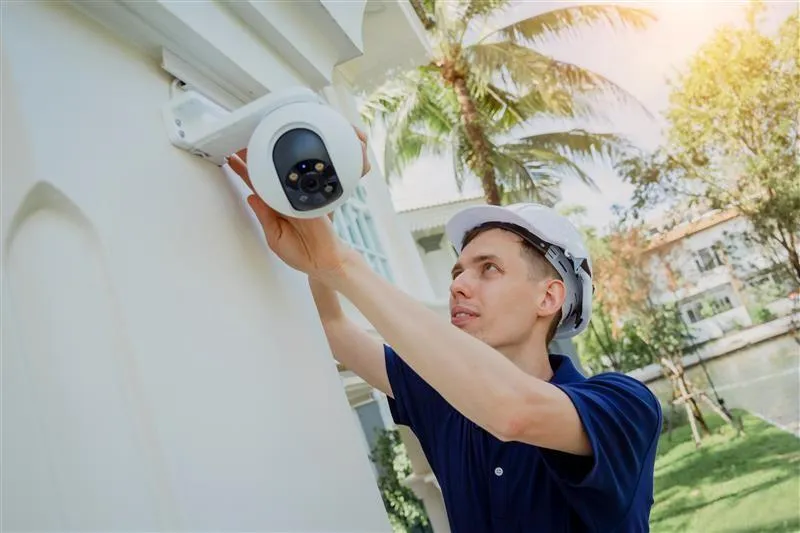
Sydney’s skyline is iconic, but crime still happens. In the year ending Sept 2025, Sydney saw 8,611 reported offences; property crimes hit about 1 per 5.6 people. We don’t mean to scare you, but to highlight for you: quality CCTV & alarms installation services can protect your home or business.
Think of cameras and sensors as your silent security team. They don’t sleep and often make intruders run away. A good system will not only deter crime but also record events and send you instant alerts, so you can check your home from anywhere. With the right install, your place gets 24/7 protection and valuable evidence if you ever need it.
For extra peace of mind, ask neighbours for referrals or search online – just make sure any CCTV & alarms installation services you consider have strong reviews and valid licences.
Finding the right installer is a bit like dating: many options, but which one’s a keeper? We’ve broken down what to look for so you can confidently choose CCTV & alarms installation services in Sydney that really deliver.
Why CCTV & Alarms Matter for Sydney Homes
A camera or alarm can be more effective than you think. Studies suggest visible cameras deter roughly half of potential burglars. And when trouble happens, your system has your back – it records video evidence and can alert you immediately.
With 24/7 monitoring, even if you’re at work or lunching at a café, you get notifications on your phone. Modern systems also integrate: for example, a window sensor can trigger the nearest camera to record, ensuring nothing is missed.
- Deterrence & evidence: Visible cameras deter criminals. Studies find many burglars will flee if they spot surveillance. If a break-in occurs, recorded footage provides clear proof.
- Always-on monitoring: Today’s systems push alerts to your smartphone at any time. Even if you’re grabbing a meal, you can check live camera feeds and know your home is safe.
- Integrated response: Cameras and alarms work together. For example, a motion detector can automatically start recording on the nearest camera. This connectivity means you never miss a thing.

cctv & alarms installation services
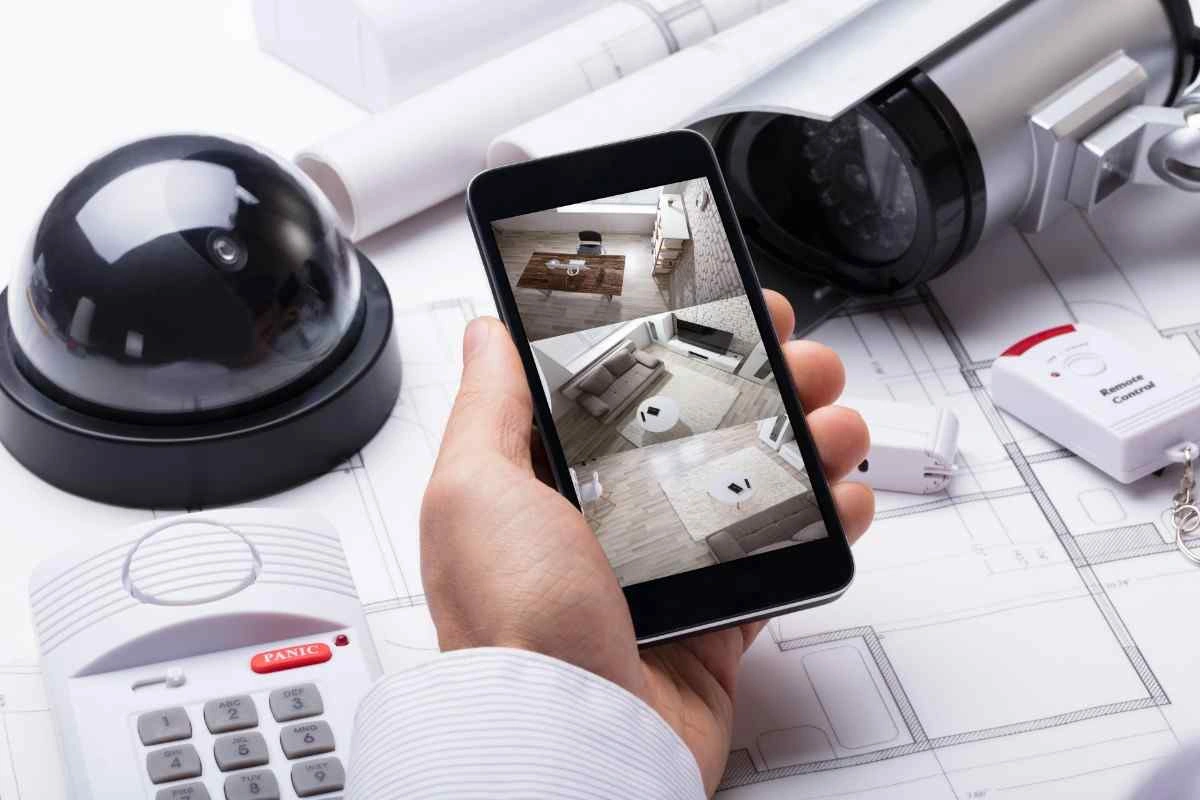
With the right cameras and sensors in place, you’ll get clear evidence if anything happens – and most burglars will think twice when they see your system in action.
Key Qualities of CCTV & Alarms Installation Services
When vetting CCTV & alarms installation services, focus on these essentials:
- Licences & certification: NSW law requires security installers to be licensed. The company needs a Security Master Licence, and the technician should hold a Class 2 security equipment licence. This ensures they’re vetted and trained. Always confirm the installer’s licence number; it’s non-negotiable.
- Choose a Sydney-based company: known for its proven experience and trusted reputation. Check their site or ask them for case studies of past installs. Read online reviews: satisfied customers and local referrals are gold. If you find consistent praise, that’s a good sign; if the comments are all complaints (or none at all), steer clear.
- Equipment quality: Insist on reputable brands. Established camera makers (Hikvision, Dahua, Swann, etc.) charge more, but their gear provides reliable, clear images. Make sure your installer includes high-res cameras (1080p or 4K) with night vision and sturdy housings. Cheap cameras might lower the quote, but they often give grainy video or fail sooner not what you want when it matters most.
- Customized design: Every property is different. A good installer won’t just drop off a box and run. They’ll do an on-site survey walking your rooms, driveway, backyard, etc. – and then plan where each camera and sensor goes. The result is a system tailored to your layout rather than leaving gaps.
- Full-service support: Ideally, the same company should offer installation, maintenance, and even monitoring or repair plans. Having one trusted provider means you make one call for any issue. Some offer service packages that include regular check-ups or even assist with paperwork (like insurance claims). This continuity is a big plus.
- Post-installation support and warranty: Understand what coverage you receive after the work is done. Good companies provide a warranty on their work and parts. Ask if they have 24/7 support or a monitoring center – you want to reach them immediately if your alarm goes off or a camera fails. For example, if your alarm rings at 2am, you want someone to answer, not voicemail.
Equipment Features & Technology Trends
Make sure your system includes up-to-date features. Here are key elements to look for:
Feature | Why It Matters |
High Resolution | Sharp, clear images. 1080p (or 4K) lets you identify faces and licence plates easily. |
Night Vision | Infra-red or low-light capability is essential. You want to see clearly in your yard even at midnight. |
Motion Detection | Records and alerts only when something moves. Saves storage and highlights key events. |
| Wireless Connectivity | Wi-Fi cameras are easier to install – ideal for spots hard to wire. Just ensure your Wi-Fi is reliable there. |
Smartphone App | The installer’s app should let you view cameras live, get alerts, and arm/disarm your system from anywhere. |
AI Analytics | Advanced cams use AI to ignore false triggers and even recognize people or vehicles. This makes your alerts more accurate. |
Australia’s security tech is getting smarter. Experts note modern systems use cloud computing and intelligent tech to stay always-on and predictive. For example, you can link your cameras to lights, locks and apps one event can trigger a full response. Now alerts are shifting from passive to proactive: your system doesn’t just record a threat; it acts on it.
DIY vs Professional Installation
You can purchase a do-it-yourself security system and install it on your own, or use professional CCTV and alarm installation services. Both have pros and cons:
- DIY Kits: Pros – Cheaper up front and you have full control. Cons – You’re on your own for placement and setup. Coverage gaps, poor angles and connectivity issues are common unless you’re very skilled. You’ll handle all wiring, placement and network setup yourself if a camera goes offline or a cable fails, it’s on you to fix it. Many say off-the-shelf systems just “fall short in reliability and coverage” compared to pro installs.
- Professional Installers: Pros Experts will place each camera for optimal coverage, hide cables neatly, and integrate alarms perfectly. They use specialized tools and methods to ensure a polished setup. You also get support: if something breaks, they fix it.
As one Sydney pro puts it, professional installs offer “more optimised camera placement, neater cable management and long-term support”. Cons It costs more, but for most people that price buys peace of mind.
Cost Factors and Budgeting
Prices vary depending on what you need:
- The total cost depends on how many cameras you install and how advanced they are. High-resolution cameras and premium brands cost more, but they also give you much sharper images. For example, adding a 4K camera or an extra motion sensor will raise the price.
- Installation complexity: If drilling through concrete or crawling through ceilings is needed, labour time goes up. Hard-to-reach spots usually require extra equipment and effort.
- Additional capabilities such as smart locks, video intercoms, or round-the-clock surveillance can increase the overall price. Services like cloud-based video storage and AI-powered monitoring tools offer added value, but they also involve recurring subscription costs.
- In 2025, most Australian installers typically bill between $80 and $150 an hour, depending on the job location. Sydney tends to be at the higher end of that range. It’s wise to get a few quotes – just make sure you compare apples to apples.
Instead of just choosing the cheapest quote, weigh what you’re getting. Check if the price includes equipment, installation, and support. A much lower price might mean cheap cameras or limited warranty. Remember, this is about safety think of it as buying long-term peace of mind, not a disposable gadget.
Choosing a Trusted Installer
When it’s time to hire, use this quick checklist:
- Check licences: Verify their Security Master Licence and the installer’s Class 2 licence. These should explicitly cover CCTV/alarm work.
- Ask about support: How long is the warranty? Do they have 24/7 tech support or monitoring? When an issue arises, immediate clarity and action are essential.
- See past work: Ask to visit a nearby home or business they’ve secured, or at least view a demo. Seeing a working system in action gives confidence.
- Compare pricing and project plans before making your decision. Compare how well each plan protects your property. Which installer explained the options clearly? Which one felt more helpful?
- Trust your instincts: Good installers are patient and answer your questions. If someone seems evasive or overly pushy, walk away. After all, this is your home’s security we’re talking about.
A dependable CCTV and alarm installation provider should make you feel confident, protected, and fully informed—never rushed or uncertain. Always prioritize your security by selecting a company that genuinely commits to safeguarding your home or business.
Conclusion
Selecting the right CCTV and alarm installation service in Sydney requires a careful balance of reliability, advanced technology, and professional expertise. When you choose the right team, you gain high-quality video, real-time notifications, and the comfort of knowing your property is always safeguarded.
Frequently Asked Questions (FAQs)
How much do CCTV & alarm installations cost in Sydney?
Costs vary, but plan on a few thousand dollars. A basic 2–3 camera HD system might start around $1–$2K, while larger setups can be several times higher.
Do installers need a licence in NSW?
Yes. Installers (and companies) must have a Security Master Licence, and the technician needs a Class 2 security equipment licence.
Can I install the system myself?
DIY kits exist, but pros ensure cameras cover all angles, cables are managed, and alarms are integrated. Many experts say DIY cams “fall short in reliability and coverage” compared to professional installs.
What features should I look for?
Look for at least 1080p (preferably 4K) cameras, night vision, motion sensors, and a good smartphone app. Top systems now use AI to reduce false alarms by ignoring pets or shadows.
How many cameras do I need?
It depends on your property. Many homes need 3–4 cams (front door, back door, driveway, etc.). A pro installer will survey your home and recommend the right number.
Will a security system lower my insurance?
Often yes. Many insurers offer discounts for verified security systems, since they lower theft risk. Check with your insurer after installation you could save on your premium.
