
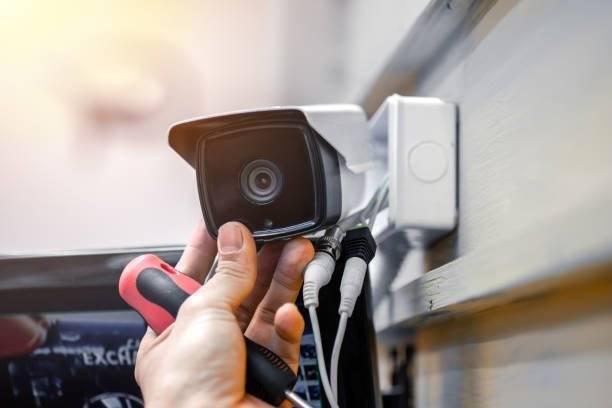
Sydney homes have changed considerably in recent years. Apartments, townhouses, renovated terraces and larger suburban properties now combine work, entertainment and family life under one roof. Home alarm systems can provide an additional layer of protection, but the useful setup depends on the property rather than a standard package.
A North Sydney apartment may have controlled building access, a balcony and underground parking, while a West Sydney house may have a garage, side passage, backyard and several ground-floor windows. Recognizing these differences helps homeowners feel understood and confident in tailoring their security setup.
Weather and lifestyle matter too. Sydney’s hot summers, periods of heavy rain, coastal conditions and occasional power interruptions can affect outdoor equipment and connectivity. Long commutes, remote work, pets and frequent travel can also change what homeowners need from their security setup.
Choosing Home Alarm Systems Sydney
Start by considering how someone could approach the property and where they might try to enter. Homeowners comparing home security alarm systems should consider doors, windows, garages and other access points before choosing equipment.
A detached house may need broader coverage than an apartment. A townhouse may require attention across several levels, while an apartment could place greater emphasis on its main entrance and balcony.
Daily routines matter as well. A family with children coming home after school may need simple access controls, while someone working from home may want a separate security zone around their office.
Consider:
- Which areas genuinely need monitoring
- Which entrances are used most often
- Whether pets could affect motion detection
- Whether mobile alerts or monitoring are required
This avoids filling the property with unnecessary sensors that create alerts without adding meaningful protection.
Understanding Home Security Systems Sydney
There is no single format for home alarm systems. Some residential alarm systems focus on doors and windows, while others combine motion detection, mobile alerts, CCTV and smart-home functions.
Wireless equipment can be useful in established properties where running new cable through finished walls would be disruptive. Hardwired options may make sense during renovations when walls and ceilings are already accessible.
| System type | Suitable for | Main consideration |
| Wired systems | New builds and renovations | Requires suitable cable routes |
| Wireless systems | Established homes | Battery life and communication range |
| Smart systems | Connected households | App, internet and device compatibility |
| Monitored systems | Frequent travellers | Ongoing monitoring and response arrangements |
For homeowners comparing home security systems Sydney options, check compatibility before buying. A system that can later accept another camera, sensor or access point may be more practical than one that cannot expand.
The household’s routine should also influence the choice. Someone who travels regularly may value remote notifications, while a family may prioritise simple controls that everyone can understand.
Planning Alarm System Installation Sydney
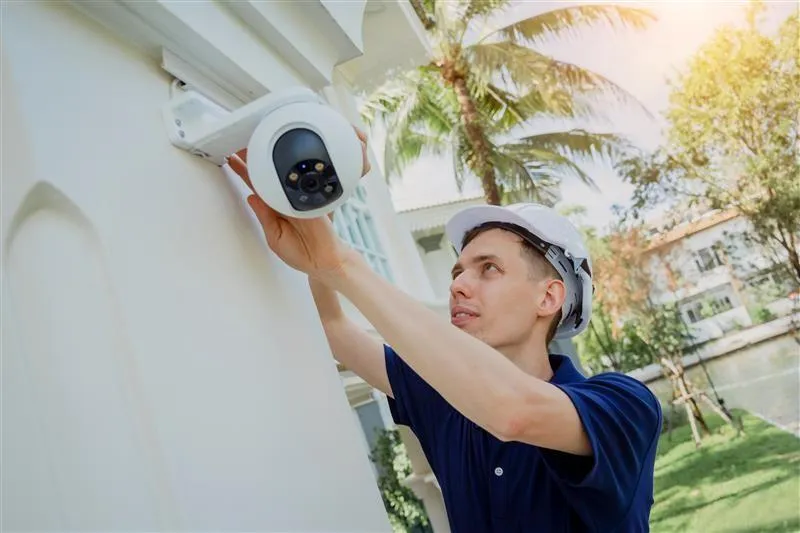
Sensor placement can significantly influence how effective your security setup is. For that reason, alarm system installation Sydney homeowners arrange should start with the building’s layout, not just the equipment catalogue.
Older brick homes, renovated terraces and newer apartments can present very different installation conditions. Wall construction, available power, cable routes and finished surfaces all affect how equipment can be installed.
Outdoor devices need particular attention. A camera facing a driveway may receive direct afternoon sun, while equipment near an exposed entrance can face rain and moisture. Positioning home alarm systems with these conditions in mind reassures homeowners about outdoor equipment durability and effectiveness.
Where fixed electrical work is part of the installation, homeowners should use an appropriately licensed electrician and understand what the service includes. This approach helps homeowners feel supported and confident that their system is installed correctly and safely.
Wireless Options For Established Homes
Running cable through a finished home can be inconvenient, particularly after a renovation. Wireless home alarm systems can offer a practical alternative where homeowners want less disruption.
Wireless does not mean maintenance-free. Sensors depend on batteries and reliable communication with the central equipment. Building materials, distance and the property’s layout can influence performance. Consider battery access and future sensor expansion if your security needs may change.
They can also suit changing households. A spare room converted into a home office, for example, may create a new monitoring requirement without calling for major building work. Ask about battery life, communication range and backup arrangements before choosing a wireless setup.
Smart Features For Modern Homes
A security app can be useful when you are already at work, travelling or simply away from the house for an afternoon. That convenience has helped smart home alarm systems become more common among connected households.
Depending on the equipment, homeowners may be able to arm the system remotely, receive alerts or view compatible cameras from a phone. These features can also interact with smart lighting or other home controls, depending on compatibility.
That does not mean every available feature is worth adding. Too many notifications can quickly become background noise, particularly for people who already receive large volumes of work and personal alerts.
Security also extends to the accounts themselves. Use strong passwords, keep software updated and understand how connected cameras or cloud services handle stored information. For additional guidance, homeowners can refer to the Australian Government’s Cyber guidance on securing Internet of Things devices.
Security Alarm Installation And Weather
Sydney’s weather conditions should be a key factor when installing outdoor equipment. Security alarm installation should account for exposure to heat, rainfall and moisture, particularly around garages, gates, balconies and external walls.
Coastal properties can present additional environmental exposure, while homes surrounded by trees may have different maintenance concerns around cameras and sensors. Home alarm systems installed outdoors should therefore match their location and expected conditions.
Weather can also change household behaviour. During heavy rain, residents may use the garage or side entrance instead of the front door. Those everyday habits can influence which access points deserve greater attention.
Ask how equipment is expected to perform during a power interruption or loss of internet connectivity. Remote features are useful, but homeowners should understand what continues working when a connection is unavailable.
Combining Alarms With CCTV
An alarm can provide the warning, while a camera may show what caused it. This is where home alarm systems can become part of a wider security arrangement instead of operating alone.
A sensor could detect movement near a garage while CCTV provides a view of the driveway. In a smaller property, one carefully positioned camera may be enough to cover an important entrance.
Larger West Sydney properties can have more external areas to consider, including garages, rear access and side passages. Apartments may need a much narrower camera strategy.
Privacy should be considered alongside coverage. Position cameras carefully around neighbouring properties, shared driveways, and areas visible from public spaces.
Professional Monitoring For Busy Households
A notification on your phone doesn’t always prompt a response when you are unavailable. Alarm monitoring systems offer an alternative for homeowners who want an external service involved when an alarm event occurs.
This may appeal to people who travel frequently, work irregular hours or spend long periods away from home. Home alarm systems connected to professional monitoring can provide a different response arrangement from systems that send alerts directly to the homeowner.
Other households may prefer to receive alerts themselves and decide what action to take.
Before agreeing to monitoring, ask how activations are handled, which contacts are authorised and what happens if the system loses its communication pathway.
Monitoring also involves ongoing fees, so you should understand the service separately from the cost of equipment and installation.
Choosing Professional Alarm Installation
Buying a security product is only the beginning. Professional alarm system installation can address sensor positioning, configuration and integration with other equipment, particularly when a property has several access points.
Homeowners researching home alarm installation West Sydney services may have larger houses, garages, rear yards, and multiple external approaches. Home alarm systems for these properties may need more carefully separated detection zones than a compact apartment setup.
In contrast, home alarm installation North Sydney may involve apartment entrances, balconies, shared building spaces and tighter internal layouts. The installation should respond to those conditions rather than applying the same plan everywhere.
Ask whether the system can be expanded later and whether testing and user guidance are included after installation.
Building A Layered Security Plan
An alarm does not have to do everything. Security alarms for homes can sit alongside strong locks, outdoor lighting, CCTV and sensible access habits to create a broader approach.
Traditional burglar alarm systems can still suit homeowners who want straightforward entry detection without building a heavily connected smart-home environment. For properties using several security layers, home alarm systems can provide the central alert function while cameras and lighting cover other parts of the property.
The most useful combination depends on the property. A family may prioritise garage protection, while someone working from home could place more emphasis on an office containing computers and business equipment.
When comparing home security solutions Sydney providers, consider installation, support, future upgrades and maintenance rather than comparing equipment specifications alone.
Maintaining A Reliable Security Setup
A simple maintenance routine can help keep home alarm systems reliable and ready when needed:
- Testing the system according to the manufacturer’s guidance
- Checking batteries and responding to low-battery warnings
- Reviewing sensor coverage after renovations or major furniture changes
- Checking that everyone in the household understands how to arm and disarm the system
Review the setup after renovations, a new garage door, significant furniture changes or the arrival of a pet. Even small changes can affect detection areas. Repeated false alarms should also be investigated rather than ignored.
Conclusion: Match Security To Your Home
The most useful security arrangement reflects the property, the household and the conditions around it. Home alarm systems can work alongside wireless sensors, smart controls, CCTV and monitoring, but sensible placement, suitable equipment, reliable power and regular testing remain important.
Contact FMZ Electrical to discuss professional security installation for your Sydney property. From West Sydney houses to North Sydney apartments and townhouses, FMZ Electrical can help plan a practical setup around your property’s layout, electrical requirements and everyday use.
Frequently Asked Questions
1. Are wireless alarms suitable for Sydney homes?
Wireless systems can suit established homes where new cabling would be disruptive. Home alarm systems using wireless sensors depend on suitable communication range, battery life and reliable connections throughout the property.
2. Can alarm systems work without Wi-Fi?
Some home alarm systems can continue performing core functions without Wi-Fi, depending on their communication method. Remote apps and certain notifications may require internet or mobile connectivity, so understand the backup arrangements.
3. Do outdoor alarm devices handle Sydney weather?
Choose outdoor equipment for the intended environment. Sydney’s heat, rainfall and moisture can affect unsuitable devices, so home alarm systems with outdoor components need suitable equipment and careful installation.
4. Should CCTV be installed with an alarm?
Home alarm systems can complement CCTV by providing an alert while cameras offer visual information about an event. Cameras may be particularly useful around driveways, garages and entrances, with placement also considering privacy and lighting.
5. How often should alarm batteries be checked?
Battery life varies by device and manufacturer. Homeowners using home alarm systems should follow manufacturer guidance, respond to low-battery warnings and investigate repeated faults before they affect system reliability.
6. Can an existing alarm system be upgraded?
Many systems can accept additional compatible sensors, cameras or connected features. Upgrade options depend on the existing control panel, communication method and equipment, so home alarm systems should be checked for compatibility before expansion.
