
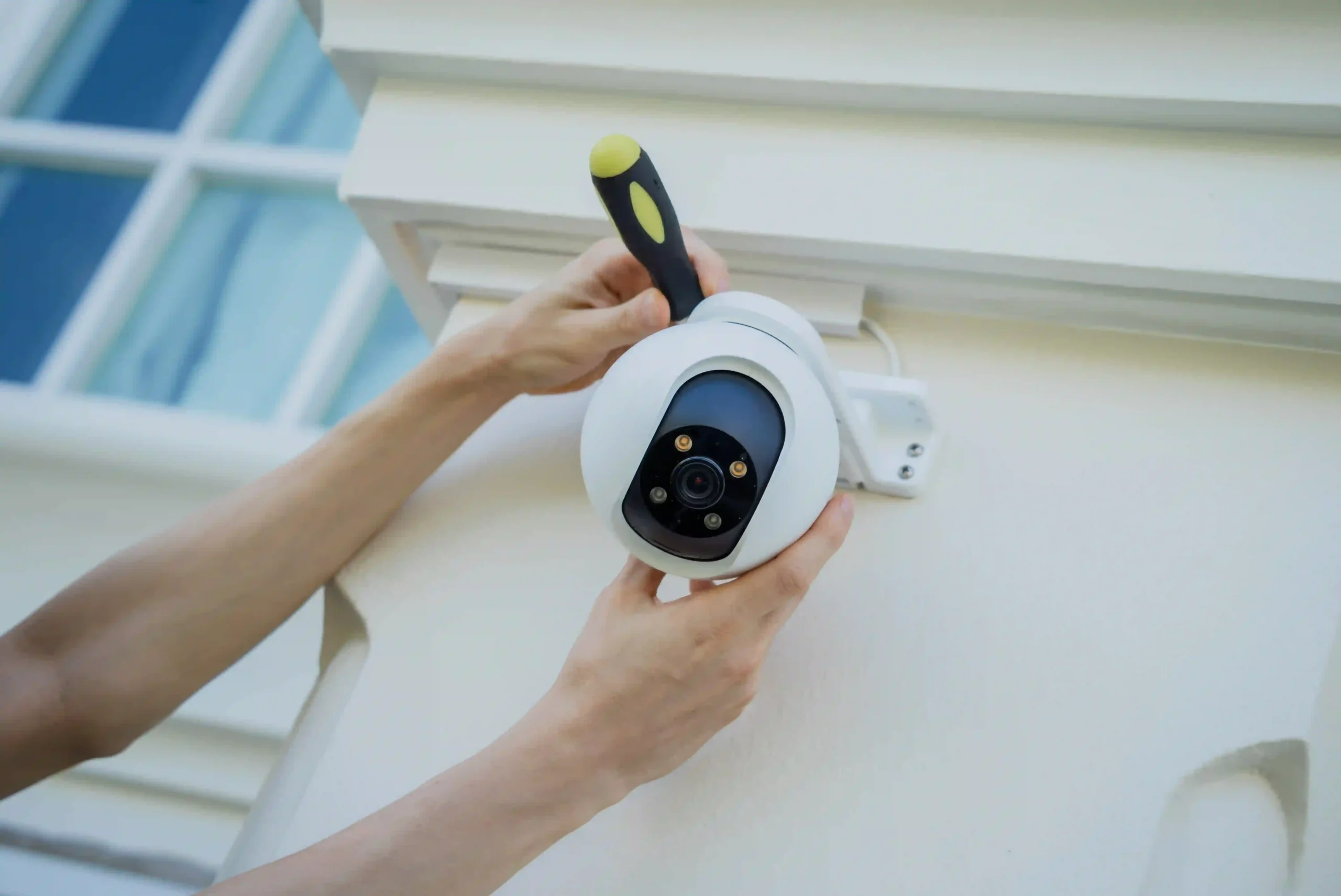
A home security system should make you feel more confident, not leave you wondering whether the camera above the garage can actually see the front gate. The right number depends on your home’s layout, how people approach it and which areas you want to monitor. For a compact terrace, two or three carefully placed cameras may be enough; a larger home with side access, a long driveway and several outdoor zones may need more.
How Many CCTV Cameras Does a House Need?
For many homes, three to six cameras can provide a useful starting point, but there is no universal number. A small apartment or townhouse may need only a couple of cameras at key entry points, while a detached home with a driveway, rear yard and multiple access paths may benefit from a broader setup. The aim of CCTV Camera Installation is to capture useful views of likely approaches and vulnerable areas without leaving major blind spots.
Think about the journey someone would take from the street to your front door or backyard. Could you see them approaching the property, entering through a gate and reaching a door or garage? A camera count should come from these routes, not from a package deal promising a fixed number of cameras. Two cameras with clear, well-planned views can be more useful than four that overlap unnecessarily or point at empty space.
Home CCTV camera installation should also match your expectations. Do you mainly want a visible deterrent, footage of entrances, or the ability to identify a person or vehicle after an incident? These goals influence the number, resolution, lens angle, lighting and recording setup you need. A considered CCTV Camera Installation plan starts with your security priorities, then selects equipment to meet them.
Start with the Most Important Camera Locations
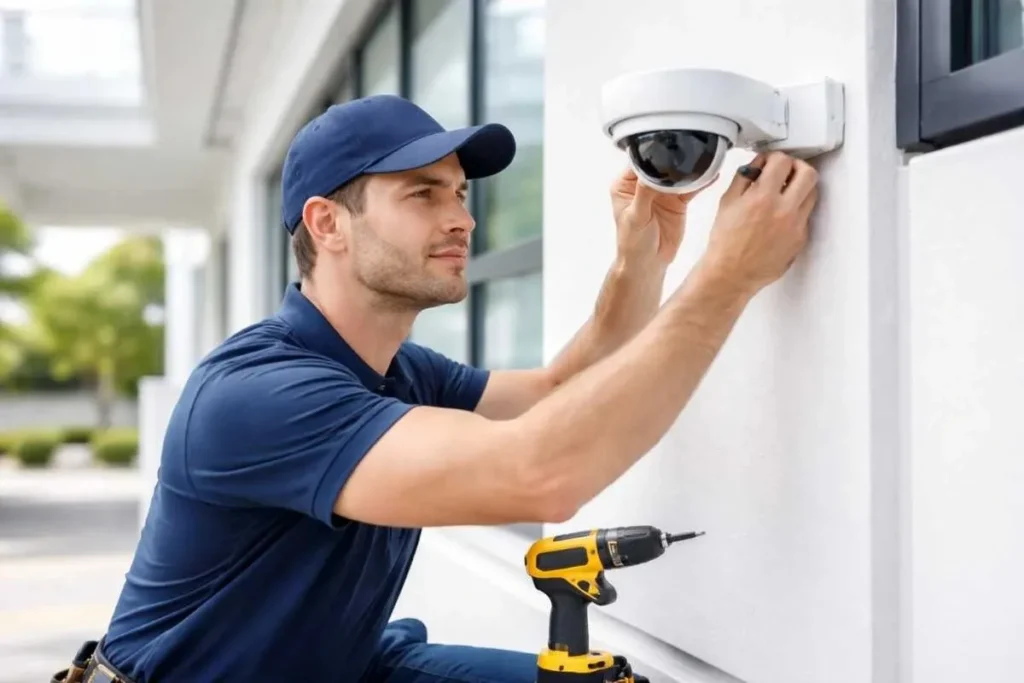
The front door is often a sensible first location because it captures visitors and activity near the main entrance. A camera facing the driveway or garage can help record vehicles and movement around those access points. A rear entrance or accessible side gate may deserve coverage too, particularly if it is concealed from the street or provides a route into the backyard.
The best CCTV camera locations are the ones that capture meaningful detail. A camera mounted too high may record the top of someone’s head rather than a useful view of their face. One positioned too far away may show that a person was present without capturing enough detail to identify them. CCTV camera positioning should balance a broad view of the area with the detail you actually need.
For residential CCTV installation Sydney homeowners should consider the property as a whole. Walk around the outside at different times of day and note dark corners, gates, windows that are hidden from view and areas where people could approach without being seen. A professional assessment can help turn those observations into a practical CCTV Camera Installation plan rather than a collection of disconnected camera views.
Plan Coverage Around Your Property Layout
A narrow terrace in the Inner West has different needs from a freestanding home in the Hills District. A townhouse may have a shared driveway or limited mounting points, while a larger property may include a garage, long side passage, rear entertaining area and detached shed. CCTV camera coverage planning should account for the actual paths people use, not just the number of doors and windows.
Before choosing equipment, consider where each camera’s view begins and ends. Wide-angle lenses can cover more ground, but objects and people may appear smaller at a distance. A narrower field of view can capture more detail in a specific area, but it may miss activity approaching from the side. Good CCTV Camera Installation balances these trade-offs and avoids relying on one camera to do everything.
Overlapping views can be useful at key points, such as a driveway entrance or front path, because they may help capture movement from more than one angle. However, overlap should be intentional. If two cameras record almost exactly the same area, the budget may be better spent covering a side gate or rear entry that currently has no visibility.
Use This Camera-Count Guide as a Starting Point
The following examples are planning estimates, not fixed rules. The final number depends on sightlines, property dimensions, lighting and the level of detail you want from your footage.
| Home type or layout | Possible starting point | Areas to consider |
| Small apartment or compact townhouse | 1–3 cameras | Private entry, balcony or permitted exterior access |
| Typical two-storey or detached home | 3–5 cameras | Front door, driveway, rear entry and side access |
| Larger home with several access routes | 5–8 cameras | Main entrances, garage, gates, side passages and backyard |
| Home with a long driveway or detached structures | 6 or more, depending on the site | Driveway approach, garage, outbuildings and separate access paths |
Treat the table as a way to start the conversation, not a shopping list. The right CCTV Camera Installation design should explain what each camera covers and why it is needed. It should also identify any areas that remain outside the camera views, so you can make an informed decision about whether additional coverage is worthwhile.
Outdoor and Indoor Cameras Serve Different Purposes
Outdoor security camera installation usually focuses on entrances, driveways, gates, garages and accessible yard areas. These cameras need to suit local weather conditions and changing light, and they should be mounted securely. Think about glare from the sun, reflections from windows, nearby lights and plants that may sway across the view. A camera that looks perfectly positioned in daylight may struggle when a porch light creates glare at night.
Indoor CCTV camera installation is more selective. Some homeowners choose to monitor an entry hall or a common area when they are away, while others prefer outdoor cameras only. Indoor cameras can be useful for specific security needs, but placement should respect the privacy of family members, guests and anyone providing care or domestic services. Private spaces such as bathrooms should never be treated as routine surveillance locations.
A balanced home surveillance camera system uses the right type of camera for each location rather than buying one model for every situation. Ask whether you need night vision, motion alerts, weather resistance, remote viewing or a particular level of image detail. Professional CCTV Camera Installation can help match these features to the actual environment instead of paying for functions you may never use.
Think About Lighting, Image Quality and Night Footage
A camera’s advertised resolution is only one part of the picture. At night, a bright light behind a person can turn them into a silhouette, while a very wide view may make faces or number plates too small to distinguish. The quality of recorded footage also depends on lens choice, lighting, camera placement, recording settings and how far the subject is from the camera.
Check whether the camera can handle the lighting conditions where it will be installed. Infrared night vision can help in dark areas, while some models use low-light colour imaging or built-in lighting. These features are not interchangeable in every situation. A driveway with street lighting will behave differently from a dark side passage, so test the proposed view at night where possible.
CCTV Camera Installation should be designed around the footage you need, not just a headline megapixel figure. If identifying a person at the front door matters most, prioritise a suitable angle and distance there. If you mainly want to see movement across a backyard, a wider view may be more appropriate. The best solution is the one that delivers usable evidence in the conditions your home actually experiences.
Choose a Recording and Monitoring Setup That Suits You
Cameras are only one part of the system. You also need to decide how footage will be recorded, how long it should remain available and how you will review it. Some systems record to a local recorder, while others use cloud storage or a combination of both. Each option has different costs, storage limits, network needs and privacy considerations.
Remote viewing can be handy when you are away from home, but it relies on a secure account and a dependable connection. Use strong, unique passwords, enable multi-factor authentication when available, install firmware updates and limit access to people who genuinely need it. If the system uses a recorder, place it somewhere secure so that it is not easy to remove or tamper with.
When comparing home security system installation options, ask how motion detection works, whether notifications can be adjusted and how footage is exported if an incident occurs. Too many alerts can become background noise, much like a phone that pings every time a leaf moves. A properly configured CCTV Camera Installation system should highlight relevant activity while keeping everyday notifications manageable.
Respect Privacy and NSW Requirements
Home cameras should protect your property without unnecessarily intruding on someone else’s. Aim them towards your own entrances, driveway and yard, and adjust the view to minimise capture of neighbouring windows, private outdoor areas or places where people reasonably expect privacy. If you live in a strata complex, check applicable by-laws and building requirements before mounting equipment in shared areas or on common property.
The NSW Government’s information on CCTV on private property points to relevant considerations, including the Surveillance Devices Act 2007, strata by-laws and possible local council requirements. Audio recording can raise additional legal issues, so do not assume that a camera’s microphone should be enabled simply because the feature is available. Seek appropriate legal guidance if you are unsure about your circumstances.
Privacy-aware CCTV Camera Installation is also better for neighbourly relationships. A small adjustment to the camera angle or privacy masking settings can often keep the useful part of your property in view without recording more of the surrounding area than necessary.
When Should You Use a Professional Installer?
DIY cameras may suit simple setups, but a more involved system can benefit from professional planning. Cable routes, safe mounting heights, power supplies, network reliability, recorder placement and testing all affect how well the cameras perform. Poorly secured cables or a camera mounted in the wrong position can undermine an otherwise good system.
Professional CCTV installers Sydney homeowners choose should be able to explain the reasoning behind the proposed layout. Ask for an on-site assessment, a clear camera-by-camera coverage plan and details of the equipment, recording method and installation scope. FMZ Electrical provides CCTV and alarm installation services across West Sydney, North Sydney and the Hills District, including system design, installation, remote-access setup and maintenance.
A professional quote should make it clear what is included and what may cost extra. For example, long cable runs, difficult access, additional network equipment or changes to existing wiring may affect the work. The value of professional CCTV Camera Installation is not simply getting cameras onto a wall; it is making sure the system is positioned, connected, tested and explained properly.
A Simple Checklist Before You Choose
Use this short checklist to turn your security concerns into a practical brief:
- Identify the main entrances, driveway, garage, side gates and accessible rear areas.
- Decide whether you need to deter activity, monitor movement or capture identifying detail.
- Check night-time lighting, camera angles, Wi-Fi or cable routes and recording requirements.
- Consider privacy, shared property rules and any relevant local requirements.
- Ask the installer to explain the purpose and coverage of every proposed camera.
This is where CCTV Camera Installation becomes a considered home improvement rather than a quick purchase. You should understand what each camera is expected to capture, how you will access footage and which areas will remain uncovered. If a quote recommends extra cameras, ask what specific gap each one solves.
Conclusion
The right number of cameras depends on your home’s access points, layout, lighting, privacy considerations and the detail you need from recorded footage. For some properties, a small, carefully positioned system is enough; others need broader coverage across driveways, side paths and rear entrances. Plan the views first, compare wired and wireless options, secure your recordings and make sure every camera has a clear purpose.
If you want a setup designed around your property rather than a one-size-fits-all kit, contact FMZ Electrical to discuss your CCTV needs. A professional assessment can help you choose suitable camera locations, understand your coverage options and build a home security system that works in everyday life.
1. Is three CCTV cameras enough for a house?
Three cameras may be enough for a compact home if they cover the most important access points, such as the front entry, driveway and rear access. A larger or more complex property may need additional cameras. Review the coverage of each camera rather than relying on the number alone.
2. Where should I put security cameras around my home?
Common locations include the front entrance, driveway or garage, accessible side gates and rear doors. Position cameras to capture useful detail and avoid unnecessary views into neighbouring private spaces. The best layout depends on sightlines, lighting and how people approach your property.
3. Should I install cameras inside as well as outside?
Not every home needs indoor cameras. Outdoor coverage may be enough if your main goal is to monitor entrances and the perimeter. Indoor cameras can be considered for specific needs, but their location and recording settings should respect the privacy of household members and visitors.
4. Are wired or wireless home security cameras better?
Wired systems can provide dependable connections and may suit permanent, multi-camera installations, while wireless models can be easier to fit where running cables is difficult. Wireless cameras still need reliable power and network coverage, and performance depends on the property. Compare the complete system rather than the camera alone.
5. Do home CCTV cameras need to record audio in NSW?
Audio is not essential for most home security purposes, and recording conversations can raise additional legal concerns. The rules depend on the circumstances and the type of recording. Consider disabling audio unless you have a clear, lawful reason to use it, and seek legal advice if uncertain.
6. How often should a home CCTV system be checked?
Check the live view and recorded footage periodically, especially after severe weather, power interruptions or network changes. Clean camera lenses carefully, confirm the date and time are correct, review storage and notification settings, and install available security updates. Arrange maintenance if a camera loses connection or footage becomes unclear.
