
A room can look completely different after sunset, even when nothing else has changed. Lighting Installation influences how a Sydney home feels and functions, from an early coffee to a late dinner with friends.
Sydney properties make this choice more interesting. A narrow terrace, high-rise apartment, renovated Federation house and modern family property all have different ceiling heights, window positions and electrical layouts.
Natural daylight changes the picture too. Strong afternoon sun can create glare across polished surfaces, while darker corners need more help after sunset. Add open-plan living, working from home and entertaining, and one light fitting rarely does everything well.
Plan Lighting Around Daily Life
Start with the way the room is actually used rather than browsing fittings first. A practical room lighting installation should respond to where people sit, work, cook, read and move around.
Consider natural daylight, furniture placement, ceiling height, and existing electrical points before choosing positions. This thoughtful approach helps Sydney homes feel more harmonious and comfortable.
The city’s mix of terraces, apartments and detached homes means there is no universal formula. Customizing lighting zones can help larger homes or compact apartments feel more tailored and functional.
Before choosing fixtures, consider:
- where focused light is genuinely needed
- which areas can share a circuit
- where glare could become a problem
- whether brightness needs to change during the day
- how fittings will work with existing furniture
This approach keeps the electrical plan connected to real life rather than making appearance the only priority.
Bedroom Lighting Ideas For Comfort
Bedrooms rarely need to feel brightly illuminated after dark. The aim is to make everyday tasks easy while keeping the atmosphere settled.
A thoughtful lighting installation should make the room feel comfortable in person, not simply photogenic on Instagram. Consider where the bed, wardrobe, and furniture will eventually sit. A beautifully positioned fitting can become awkward if a tall bedhead or wardrobe door later blocks its effect.
Warm lighting remains popular in bedrooms, particularly with timber, neutral fabrics and soft finishes. Social media has also pushed statement pendants and concealed LED details into mainstream interiors, but the proportions still need to suit the actual room.
A thoughtful lighting plan should make the room feel comfortable in person, not simply photogenic on Instagram.
Kitchen Lighting Installation With Purpose
The kitchen has become one of the hardest-working rooms in many Sydney homes. It may handle meal preparation, remote work, homework and casual entertaining within the same day.
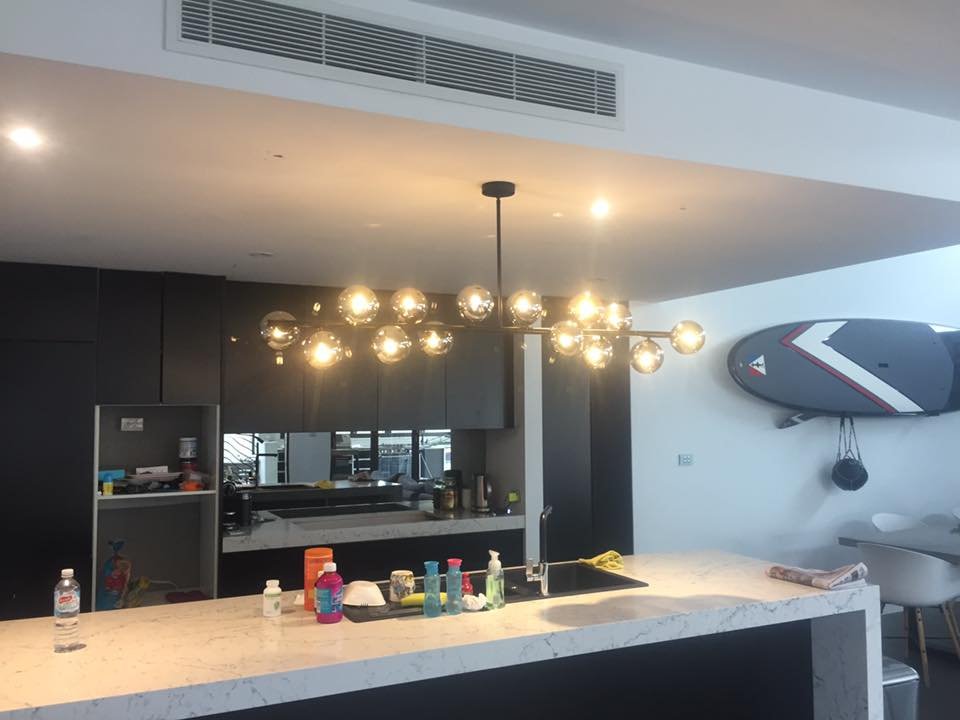
A thoughtful kitchen lighting installation therefore needs more than evenly spaced downlights. Work surfaces need clear illumination, while decorative lighting can give the island or dining edge a stronger visual identity.
Consider where shadows will fall when someone stands at the bench. A ceiling fitting directly behind the person cooking may leave the preparation area darker than expected.
Pendant lights can define an island, while under-cabinet lighting can illuminate worktops without flooding the whole room. Reflective splashbacks, polished stone and glossy cabinetry should also influence fitting positions because poorly directed light can create distracting reflections.
The aim is a kitchen that looks considered but still works when someone is chopping vegetables at 7 PM.
Bathroom Lighting For Clear Visibility
Bathrooms need careful planning because mirrors, moisture and compact layouts create different challenges from bedrooms or living rooms. During a bathroom lighting installation, start with the mirror. A ceiling fitting behind someone standing at the basin may light the room while leaving their face unevenly illuminated.
Lighting positioned beside or around the mirror can provide more useful illumination for shaving, skincare and makeup. General ceiling lighting can then handle the rest of the room.
For a ceiling light installation Sydney homeowners should also consider the fitting’s location, energy efficiency, and suitability for the conditions. The electrician can assess the installation area rather than assuming a decorative fitting is appropriate simply because it looks suitable, ensuring compliance with local standards and sustainability practices.
For contemporary Sydney bathrooms, matte black, brushed metal and concealed fittings can work particularly well with terrazzo, stone and timber-look surfaces.
Living Room Lighting Solutions
The living room changes character throughout the day. It may host breakfast, laptop work, television, reading and guests without changing furniture.
Good living room lighting solutions allow those activities to coexist. A reading chair might need focused illumination, while artwork or shelving can use softer accent lighting.
In an open-plan Sydney home, separate lighting zones can help distinguish the lounge from the kitchen and dining areas without making the spaces feel disconnected.
Furniture should influence the final positions. Light should support the sofa, chair, artwork or table rather than forcing furniture placement around poorly positioned fittings.
A carefully planned indoor lighting installation can also help smaller apartments feel less crowded by using light to create visual depth instead of filling the ceiling with fittings.
Dining Room Lighting Design
The dining table naturally becomes the centre of attention, making it an ideal place for a feature fitting. A considered dining room lighting design should provide enough visibility for meals while allowing the atmosphere to soften later in the evening. Linear pendants suit longer tables, while a centred fitting works well above a round table.
For lighting Installation, proportion matters more than copying a trend from Pinterest or Instagram. An oversized pendant may look impressive in a large editorial interior but overwhelm a compact Sydney apartment.
Dimming is also useful here. The room can feel bright and practical during the afternoon, then become considerably softer when friends arrive for dinner. The right arrangement should complement the dining table rather than compete with it, creating a polished setting without looking overly styled.
Lighting Installation Sydney For Different Properties
Sydney’s housing mix makes a one-size-fits-all lighting plan difficult. A terrace may have narrow rooms and decorative ceilings, while a newer apartment could have limited ceiling access or fixed electrical points.
Property character should be considered alongside function. A renovated bungalow may suit larger pendants and wall lights, while a compact apartment could benefit from slimmer fittings that preserve visual space.
Consider existing wiring, ceiling access, and architectural details before finalising the design. Older Sydney homes can present different practical challenges from newer apartments, particularly when previous renovations have altered the electrical layout.
Homeowners considering custom lighting installation Sydney can also highlight architectural details such as timber floors, exposed brick, cornices, feature walls or artwork.
Older homes can reveal surprises during renovation, including previous electrical alterations or difficult ceiling access. Identify these factors before finalising the design.
The best result usually feels as though the lighting belongs to the property rather than having been added afterwards.
Use Daylight And LEDs Wisely
Sydney’s natural daylight is an asset, particularly in homes with large windows, skylights and open living areas. The aim is not to compete with it but to create a smooth transition once daylight fades.
This is where energy-efficient home lighting becomes useful beyond simply choosing efficient lamps. Separate switching, sensible placement and appropriate brightness can reduce unnecessary use.
A well-planned LED lighting installation can provide efficient illumination across frequently used areas. At the same time, separate zones mean homeowners don’t have to switch on every fitting just because one corner needs more light.
This can be particularly useful when the living area receives strong afternoon daylight but a deeper section of the home becomes dim much earlier. Efficiency should support comfort, not mean using less light everywhere.
Plan Controls Before Electrical Work
Switches are easy to overlook because they are less exciting than pendants or wall lights. Yet their position affects how convenient the lighting feels every day.
For the electrical plan, decide which fittings should operate together before you start wiring. A kitchen may need separate controls for general lighting, island pendants and work areas, while a bedroom may benefit from switching accessible from the bed.
Lighting Installation should also account for dimmers, which can make living and dining areas more adaptable, provided the fitting and control system are compatible.
Smart lighting is another option for people who want scheduling or remote control. However, technology should solve a genuine problem rather than being added simply because it is fashionable.
A well-considered professional lighting electrician can help ensure the selected fittings, switches, and controls work together before installation begins.
Choose Professional Electrical Support
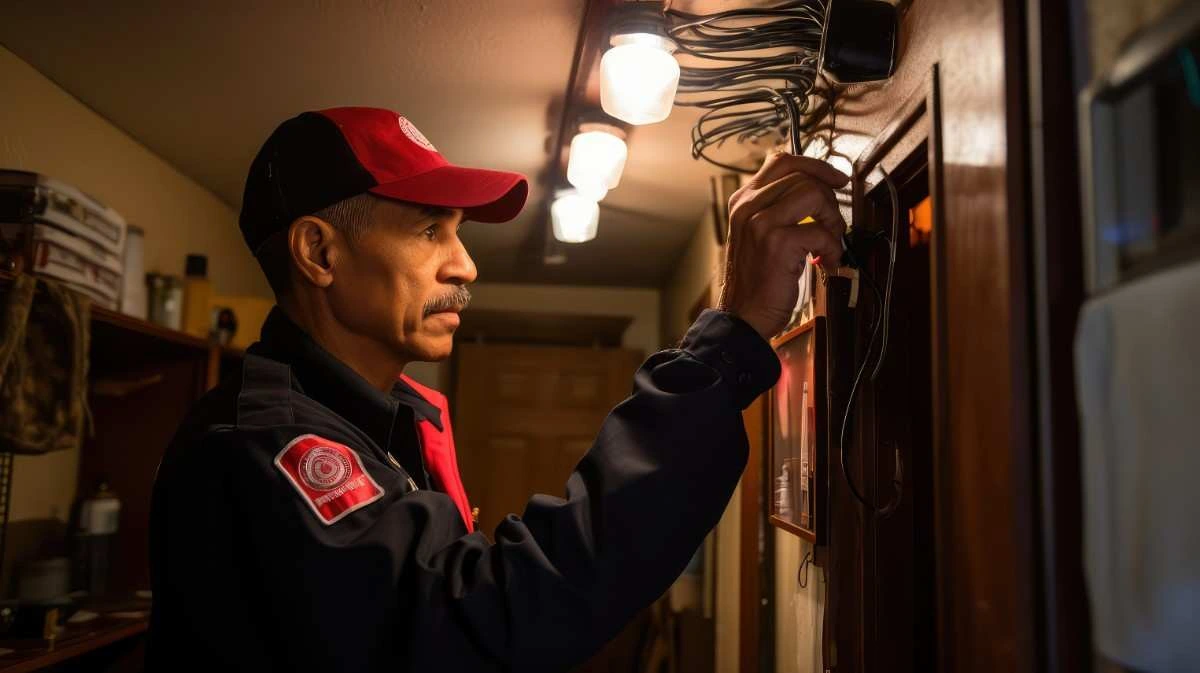
Lighting design and electrical installation are closely connected when new wiring, switches or fixed fittings are involved. A residential lighting electrician Sydney homeowners choose should assess the existing electrical arrangement and the proposed design. This is especially important in older properties where previous renovation work may have changed the original setup.
It is also worth planning early during a renovation. New light points, switches and wiring are easier to accommodate before ceilings are closed, cabinetry is installed, or walls are finished.
In NSW, Lighting Installation must meet applicable licensing and safety requirements. Lighting design services Sydney homeowners use can also help coordinate the aesthetic plan, while a licensed electrician handles the electrical work required to bring it to life. Planning these elements together can prevent avoidable alterations later.
Compare Lighting Needs By Room
Different rooms need different priorities. The table below gives a practical starting point rather than a fixed formula.
| Room | Recommended lighting | What to consider |
| Bedroom | Warm ambient lights, bedside lamps and dimmable fittings | Comfort, reading and evening relaxation |
| Kitchen | Ceiling lights, task lighting and under-cabinet LEDs | Work surfaces, shadows and food preparation |
| Bathroom | Bright ceiling lights and suitable vanity lighting | Clear visibility, moisture and safe placement |
| Living room | Layered ceiling, wall and floor lighting | Conversation, TV viewing and flexibility |
| Dining room | Pendant or feature lighting above the table | Table size, proportions and atmosphere |
For the final Lighting Installation plan, consider ceiling height, wall colour, furniture, window placement, and the existing electrical arrangement. No table can replace those property-specific decisions, particularly in older Sydney homes where existing conditions can affect what is practical.
Conclusion
Good Lighting Installation starts with how a Sydney home is actually lived in. Consider daylight, room function, property style, furniture, glare, energy use and controls before choosing fittings. A terrace, apartment and renovated family home may need very different solutions, even when they contain similar rooms.
If you are renovating, replacing outdated fittings or planning a new lighting scheme, contact FMZ Electrical to discuss your requirements. Their team services West and North Sydney and can help turn your ideas into a practical electrical installation.
1. How should I choose lights for a Sydney home?
Consider natural daylight, furniture placement and how each room is used after dark. Lighting Installation should also account for task areas, brightness, controls and existing wiring rather than choosing fittings based only on appearance.
2. Are LEDs suitable for older Sydney properties?
LEDs can suit older homes, but you should assess existing wiring and fittings first. During Lighting Installation, heritage ceilings, previous renovations and limited access can affect which products and installation methods are practical.
3. Should every room use the same lighting colour?
Not necessarily. Bedrooms and living areas may suit softer tones, while task areas can use clearer illumination. A considered Lighting Installation can use different colour temperatures while maintaining visual continuity throughout the home.
4. Can smart lighting work in apartments?
Smart lighting can provide scheduling, remote control and different scenes, but apartment layouts and existing electrical systems may limit some options. Discuss these requirements during Lighting Installation to ensure the controls suit the property.
5. How can I reduce lighting energy use?
Use efficient fittings, separate lighting into useful zones and avoid illuminating areas that already receive enough daylight. A well-planned Lighting Installation can also incorporate compatible dimmers to reduce brightness when full output is unnecessary.
6. When should lighting be planned during renovation?
Plan it before ceilings, walls and cabinetry are finished. Planning lighting early gives you more freedom to position wiring, switches, and light points correctly, reducing the likelihood of expensive changes after finishing work.
