
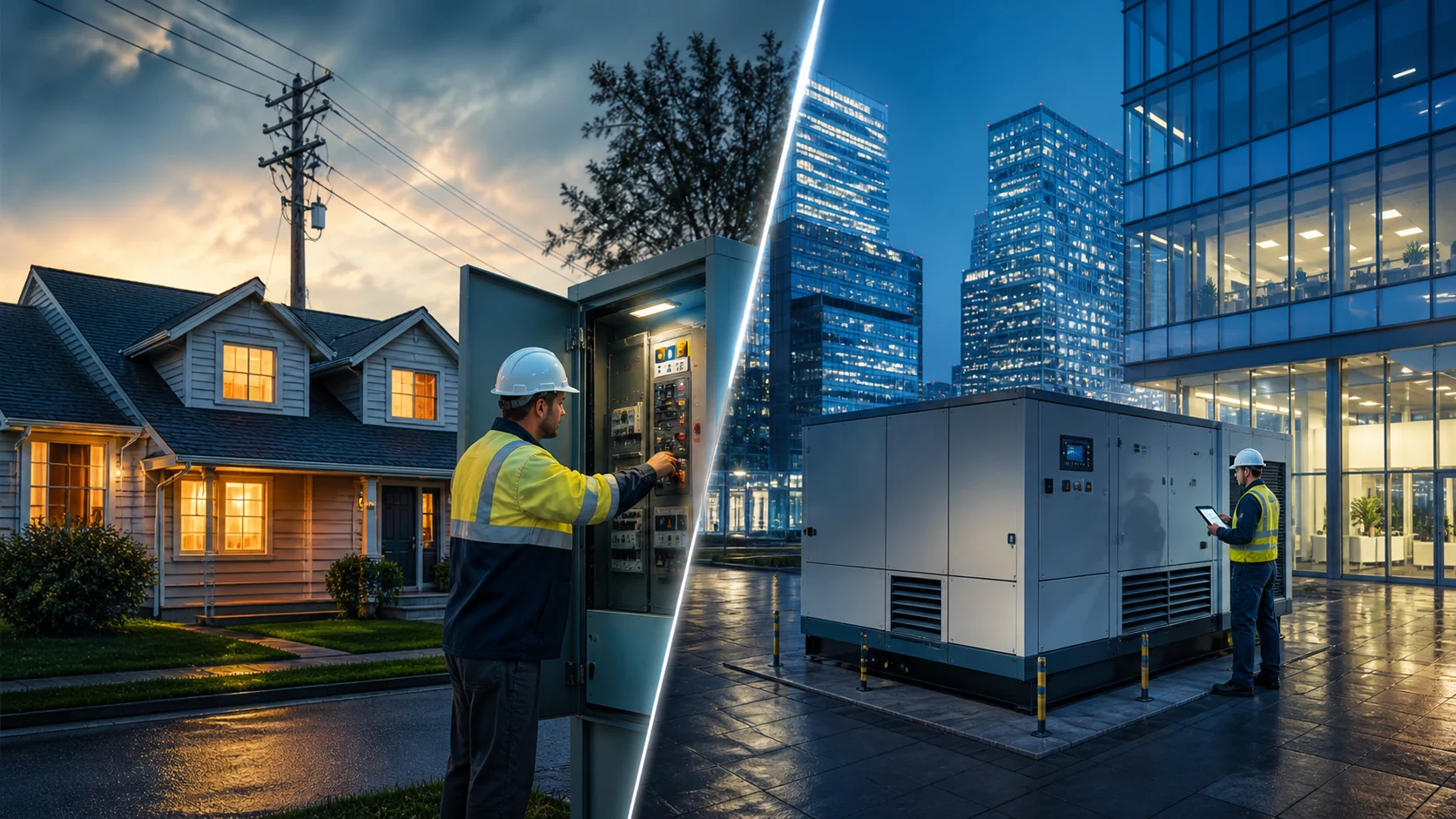
You never really give much thought to electricity, until you lose it. You are making a cup of coffee, answering emails or just binge-watching your favourite show, and the next moment, it all just stops. Even in a city, such as Sydney, where people are in a hurry, and businesses cannot afford to be shut down even temporarily, even a short power outage can turn into an absolute nightmare.
That is where Power Outage Restoration is more than a mere technical procedure–it is your lifeline back to sanity. Be it in a busy office or in just trying to keep your house effectively running, knowing how restoration works, gives you a grave upper hand. I have personally experienced how being prepared can transform a stressful blackout experience into something manageable, even predictable.
This guide will take you through the entire process of how it all works behind the scenes, how you can prepare and plan to handle the outage safely and promptly, as well as how the professionals such as FMZ Electrical make sure that your power is back on safely and quickly.
Understanding Power Outage Restoration in Sydney
Fundamentally, Power Outage Restoration is the act of isolating faults in the electrical system and safely restoring electricity to the system. Sounds simple, right? However, in practice, it is a concerted effort to diagnostics, prioritisation, and safety checks.
In Sydney, storms, or infrastructure problems, or unforeseen failures, often cause outages. An urban setting, in contrast to smaller towns, requires more rapid and tactical restoration. Residential buildings tend to have temporary interruptions, and commercial buildings might have short-term disruptions based on complexity.
This is the point that most people do not know: the process of restoration does not occur by chance. It has a priority system which is structured. The first to be restored are the emergency services and hospitals and critical infrastructure. Next follow thickly inhabited residential districts, which are followed in their turn by smaller districts and single faults.
What Happens During Power Outage Restoration
When the power goes out, a lot is happening behind the scenes—far more than flipping a switch.
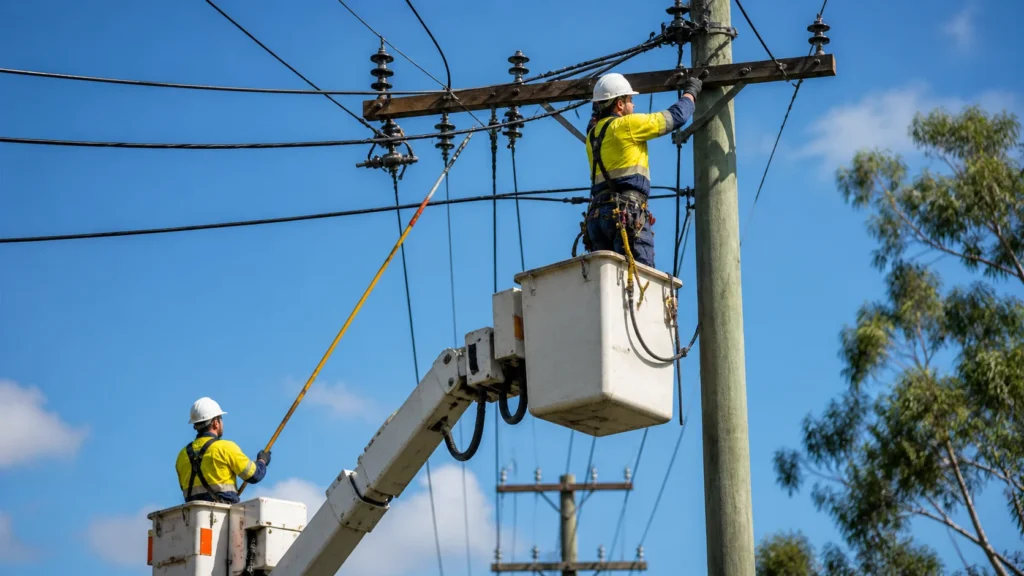
To begin with, utility providers learn of the outage through automated systems. These systems identify diseased regions in a matter of seconds. This is followed by fault identification and this may include fallen power lines, transformer breakdowns and so on.
Then begins the restoration process, which typically includes:
- Isolating the faulty section to prevent further damage
- Dispatching technicians to inspect and repair
- Gradually restoring power in phases to avoid overload
- Testing systems to ensure stability before full restoration
Now here’s where it gets interesting. Residential restoration is usually quicker because systems are simpler. Commercial properties, on the other hand, often require additional checks due to complex wiring, backup systems, and higher load demands.
That’s why Power Outage Restoration isn’t just about speed—it’s about precision. One wrong move, and you risk further outages or equipment damage.
Common Causes of Power Outages in Residential and Commercial Properties
Let’s be honest—power outages rarely happen at a “good” time. And while they might seem random, most have predictable causes.
In Sydney, weather plays a major role. Strong winds, heavy rain, and lightning can damage power lines or transformers. But that’s not the only culprit.
Here are some common causes:
- Severe weather conditions disrupting infrastructure
- Equipment failure due to ageing systems
- Overloaded circuits in commercial buildings
- Accidental damage during construction work
- Wildlife interference (yes, even possums can cause outages)
Understanding these causes helps you prepare better. For instance, businesses with high energy usage often experience internal outages due to overload—something that can be prevented with proper electrical planning.
Residential vs Commercial Power Outage Restoration
Not all outages are created equal. The way Power Outage Restoration is handled differs significantly between homes and businesses.
Residential properties usually have straightforward systems. When power goes out, restoration is often external—meaning once the grid is fixed, your home is back online. Simple.
Commercial properties? That’s a different story.
They often involve:
- Complex electrical systems
- Backup generators and UPS systems
- Higher safety requirements
- Operational downtime risks
Here’s a quick comparison to make it clearer:
| Aspect | Residential | Commercial |
| System Complexity | Low | High |
| Restoration Time | Faster | Slower |
| Backup Systems | Rare | Common |
| Risk Impact | Moderate | High |
So while a homeowner might worry about spoiled food, a business could be facing thousands in lost revenue. That’s why professional support becomes essential.
How to Prepare for Power Outage Restoration
Preparation isn’t just smart—it’s essential. The difference between panic and control often comes down to how ready you are.
Before an outage happens, you should focus on safety, backup options, and awareness. During an outage, your priority shifts to minimising damage and staying informed. After restoration, it’s all about checking systems and preventing future issues.
Here’s a practical breakdown:
- Keep emergency lighting and batteries ready
- Install surge protectors to protect appliances
- Have a backup power solution if possible
- Unplug sensitive electronics during outages
- Stay updated through local alerts
One overlooked tip? Build a relationship with a reliable electrician. When something goes wrong, you don’t want to start Googling—you want someone you trust on a speed dial.
Safety Measures During Power Outage Restoration
Let’s not sugarcoat it—electricity is dangerous when mishandled. During Power Outage Restoration, safety isn’t optional; it’s everything.
You might be tempted to troubleshoot things yourself, especially if the outage feels localised. But unless you’re trained, it’s best to step back.
Follow these key safety practices:
- Avoid touching exposed wires or damaged equipment
- Use torches instead of candles to reduce fire risk
- Keep fridge and freezer doors closed to preserve food
- Turn off major appliances to prevent surge damage
- Wait for professional confirmation before resuming normal use
For accurate insights and verified data on energy usage, outages, and national electricity trends, you can explore the official Australian government resource on Australian Energy Statistics. This provides detailed information that helps you understand how power systems operate and why outages occur across residential and commercial sectors.
A quick reality check—most post-restoration issues don’t happen during the outage, but right after. People tend to switch everything back on at once, which can overload the system and cause further disruptions. Taking it slow and restoring power usage gradually is one of the simplest yet most effective safety steps you can follow.
How Long Power Outage Restoration Takes in Sydney
Among the earliest questions that people pose during a blackout is the simple question of: When will the power be back? The response relies on a number of moving components. The Power Outage Restoration plans in Sydney depend on the intensity of the problem, the count of properties impacted, and the accessibility of the fault.
Indicatively, the localised fault in a residential street could be corrected within a couple of hours. However, when the outage is due to storm damage in more than one suburb, it can take much longer to restore. The process can be even longer in commercial areas as a result of safety inspections and load balancing conditions.
A prioritisation system is also at play. There is always prioritizing of emergency services and critical infrastructure, followed by densely populated areas. This implies that the time that your property takes to be restored is not based on the problem but rather on your location within the network.
A quick takeaway? The restoration of Power Outage is strategic and not first-come-first-served. This information can be used to manage expectations and to cut off unwarranted stress.
The Role of Electrical Infrastructure in Power Outage Restoration
Behind all the successful Power Outage Restoration, is a network of infrastructure that is doing the heavy lifting. Each of the following is part of the chain: power lines, substations, transformers, switchboards.
At home, the infrastructure is not very complex. Nonetheless, commercial buildings frequently depend on overlaying systems comprising internal distribution networks, backup generators, surge protection systems. It is this additional complexity that makes restoration in commercial spaces a more time-intensive and expertise-intensive endeavor.
Another factor that should be mentioned is the ageing infrastructure. The old systems are more likely to develop faults and this might slow down restoration and may lead to frequent outages. The reason upgrading your electrical set up has more to do with reliability than efficiency.
Simply put, well-developed infrastructure translates into quicker Power Outage Restoration. Weak systems? They drag it all.
What to Check After Power Is Restored
When electricity finally comes back, it’s tempting to jump straight back into normal life. But hold on—this is actually one of the most important moments in the entire Power Outage Restoration cycle.
Post-restoration checks help you avoid hidden damage and ensure everything is running safely. Start by inspecting your appliances and electrical systems. Look out for unusual sounds, flickering lights, or devices that aren’t functioning properly.
Here’s what you should do next:
- Turn appliances back on gradually instead of all at once
- Check your switchboard for tripped circuits
- Reset clocks, alarms, and smart systems
- Inspect refrigerated food for spoilage
- Monitor your system for the next few hours
This stage is often overlooked, but it’s crucial. A rushed restart can lead to overloads or even secondary outages.
The Cost Impact of Power Outages on Businesses
Outages are inconvenient to homeowners. In the case of businesses, they are not cheap- very expensive.
When disruption occurs, the operations cease, productivity declines and revenue is hit. In such industries as hospitality, retail, or healthcare, even a brief downturn may result in losses and damage to reputation.
This is why Power Outage Restoration is so important a service to commercial properties. It is not merely the restoration of electricity but rather reduction of the downtime and safeguarding of the continuity of the business.
We can divide it into parts:
- Lost sales due to system shutdowns
- Equipment damage from sudden power loss
- Data loss in digital systems
- Customer dissatisfaction and delays
This is where preparation and backup systems become game-changers. Businesses that invest in resilience recover faster—and often outperform competitors during disruptions.
Smart Technology and Power Outage Restoration
We are in an era where technology is redefining the manner in which we deal with outages. Power Outage Restoration is becoming more efficient, predictable and even partially automated, thanks to smart systems.
Smart meters, automated notices, and remote monitoring devices can now be utilized by modern homes and businesses to identify problems in real-time. These systems keep you informed and updated in real time and you do not have to guess rather than be informed.
In business environments, there can be advanced energy management systems that can isolate faults and reroute power hence reducing the downtime considerably. It is the equivalent of a digital safety net of your electrical system.
The biggest advantage? Control. You are no longer making a blind reaction but are making well-informed decisions that are grounded in actual data.
Why Professional Help Matters in Power Outage Restoration
You can’t DIY everything—and this is one of those moments.
Professional electricians don’t just restore power; they ensure your system is safe, stable, and compliant. Companies like FMZ Electrical bring experience, tools, and local expertise that make a real difference.
Think about it like this: you wouldn’t perform your own dental surgery, right? Same logic applies here.
With professional help, you get:
- Accurate fault diagnosis
- Safe and compliant restoration
- Preventive maintenance advice
- Faster turnaround times
And honestly, peace of mind is worth a lot—especially when your business or home depends on it.
Future-Proofing Your Property Against Power Outages
Here’s where things get proactive. Instead of reacting to outages, you can actually reduce their impact—or avoid them altogether.
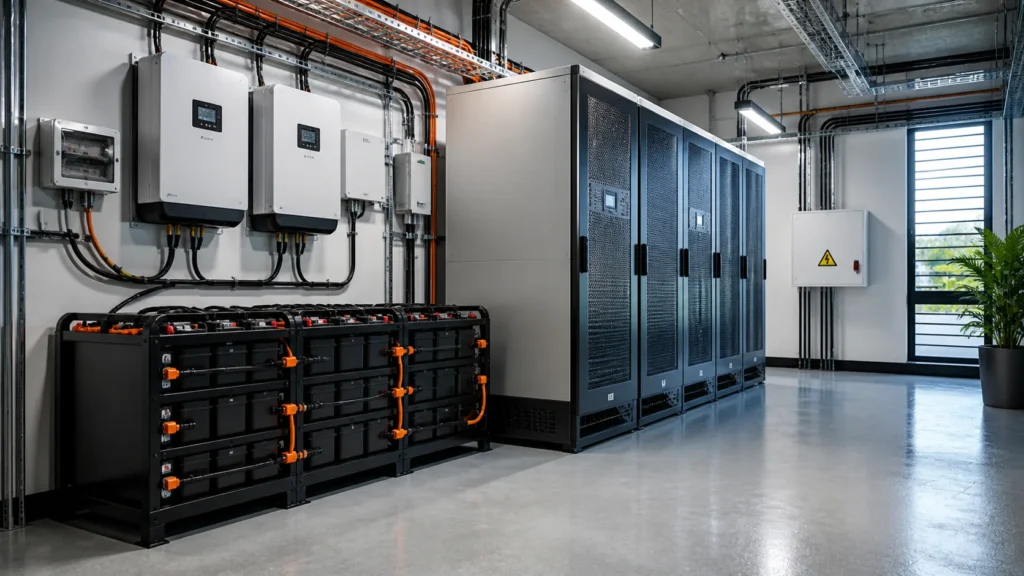
Modern electrical solutions offer smart ways to stay powered even during disruptions. Solar systems, battery storage, and upgraded switchboards are becoming increasingly popular across Sydney.
Investing in these solutions means:
- Reduced dependency on the grid
- Faster recovery during outages
- Improved energy efficiency
- Long-term cost savings
It’s not just about convenience—it’s about control.
Conclusion
A power outage is unpredictable and your reaction does not need to be. Having the knowledge of how Power Outage Restoration functions provides you with clarity, confidence, and control. Knowing the causes to effective preparation and prioritising safety, each action you make can decrease the stress and risk. Whether you are a business or a home owner in Sydney, you are best informed as to your greatest advantage.
If you want reliable, fast, and professional support, FMZ Electrical is here to help. Don’t wait for the next blackout to catch you off guard—get in touch today and make sure your property is ready for anything.
FAQs
1. What is Power Outage Restoration?
Power Outage Restoration is the process of identifying faults in the electrical network and safely restoring electricity to affected areas. It involves inspection, repair, and gradual reconnection to ensure stability and safety.
2. How long does Power Outage Restoration usually take?
The duration depends on the cause and scale of the outage. Minor faults may be resolved within hours, while major infrastructure damage can take longer, especially in commercial areas.
3. Can I handle Power Outage Restoration myself?
No, handling electrical faults without proper training is dangerous. It’s always recommended to rely on licensed professionals for safe and effective restoration.
4. Why do commercial properties take longer to restore power?
Commercial systems are more complex and require additional checks, making the restoration process more detailed and time-consuming compared to residential setups.
5. How can I prepare for future outages?
Preparation includes installing backup systems, using surge protectors, staying informed, and working with a trusted electrician to maintain your electrical infrastructure.
