
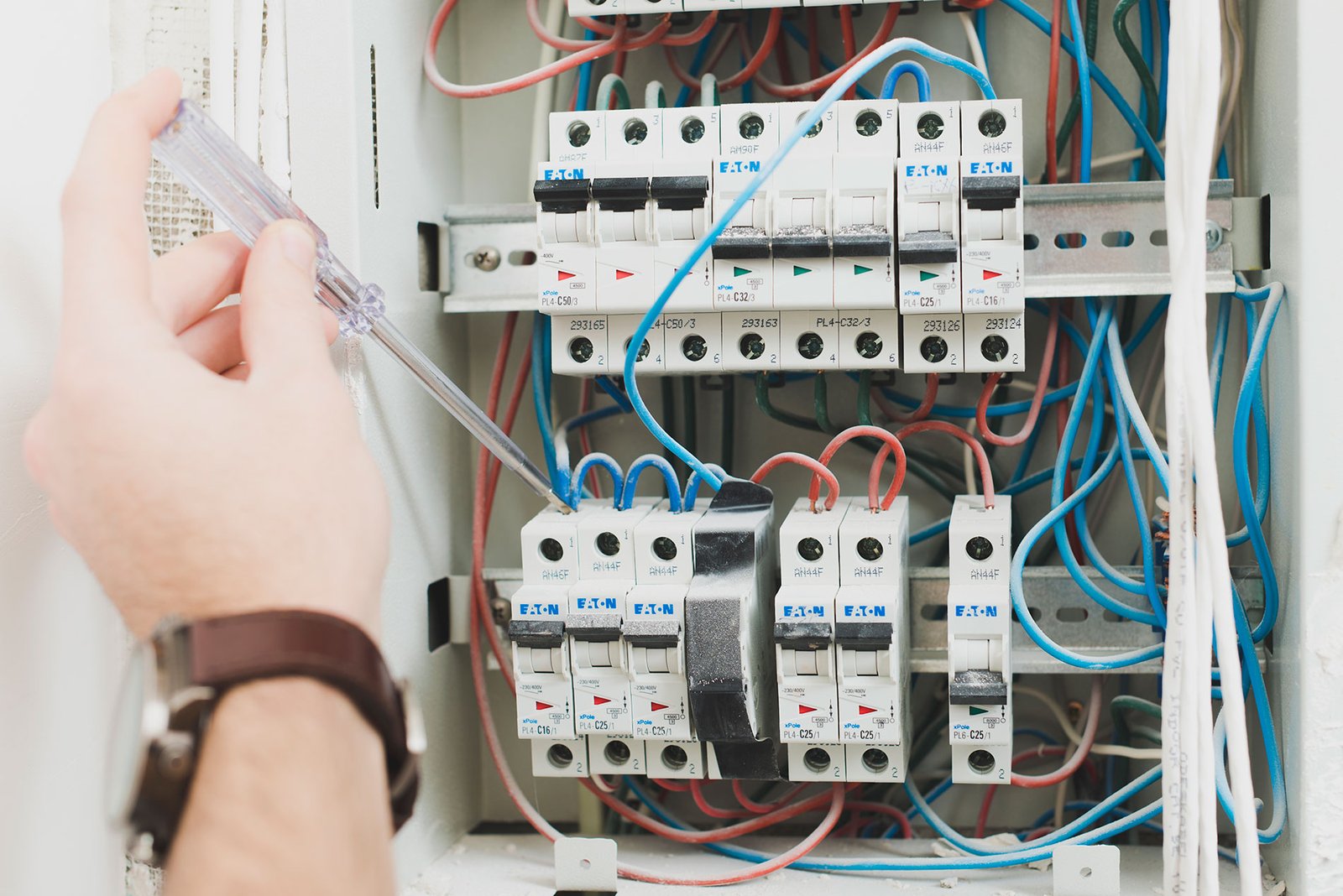
Imagine plugging in your kettle on a busy weekday morning. Everything seems normal until a damaged cord or faulty appliance creates an electrical fault. You might not see the danger, hear a warning or notice anything unusual. That is exactly why a safety switch matters. It can disconnect power quickly when it detects dangerous current leakage, helping protect you and your household from serious electric shock. If your Sydney home has an older switchboard or you are unsure what protection it provides, understanding Safety Switch Installation is a smart first step. FMZ Electrical provides electrical services across West Sydney, North Sydney and the Hills District, helping homeowners make informed decisions about their electrical safety.
What Is a Safety Switch?
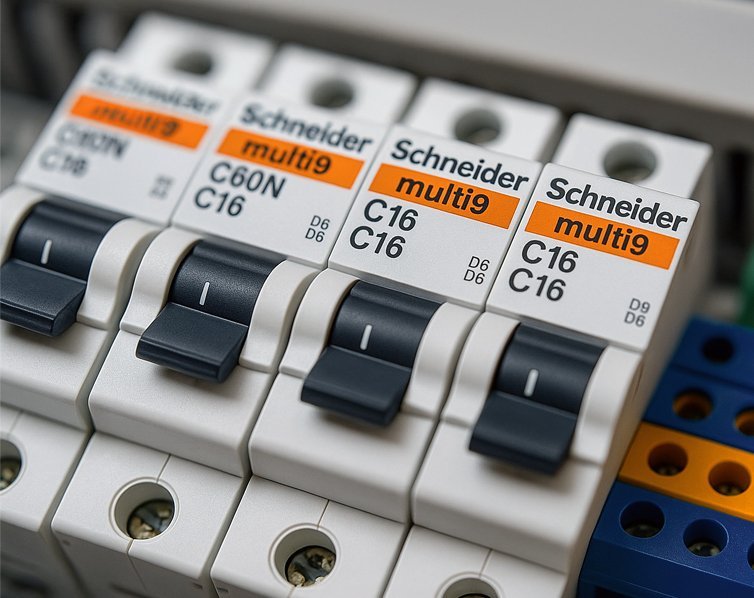
A safety switch is an electrical protection device designed to reduce the risk of electric shock. It is also known as a Residual Current Device (RCD). The device monitors the electrical current flowing through a circuit and checks whether the current returning is consistent with the current going out. If it detects an imbalance that indicates electricity may be leaking to earth, it disconnects the supply.
That leakage could happen because of damaged wiring, a faulty appliance, moisture entering electrical equipment or a person accidentally coming into contact with a live electrical part. The safety switch is designed to react quickly, reducing the time electricity can continue flowing through a dangerous path. This is the central purpose of Safety Switch Installation: to provide an additional layer of protection when an electrical fault occurs.
You can often recognise a safety switch on your switchboard by its test button, usually marked with a letter such as “T” or the word “Test”. Some devices combine residual-current protection with overcurrent protection, so the appearance of the switchboard can vary. If you are unsure which devices are installed, ask a licensed electrician to identify them rather than guessing.
How Does a Safety Switch Work?
Electricity normally travels through a circuit along an intended path. A safety switch monitors the current flowing through the active and neutral conductors. Under normal conditions, the current leaving through the active conductor should match the current returning through the neutral conductor.
If some current escapes that intended path, the device detects the difference. For example, a damaged appliance could allow electricity to flow through its metal casing. If a person touches the faulty equipment and provides a path for current to earth, the safety switch may detect the imbalance and disconnect the supply rapidly.
This process is automatic. You do not need to press a button or notice the fault for the protection to operate. A properly selected and installed device can respond in a fraction of a second, helping limit exposure to dangerous electric current. Effective Safety Switch Installation is therefore about more than fitting a switch: the device must be suitable for the circuit, correctly connected and tested after installation.
However, a safety switch is not a guarantee against every electrical injury. It may not protect against every type of contact or fault, and it does not make damaged appliances, exposed wiring or unsafe electrical habits acceptable. You should still stop using faulty equipment and arrange repairs.
Safety Switch vs Circuit Breaker: What Is the Difference?
Safety switches and circuit breakers may sit next to each other in your switchboard, but they do different jobs. A circuit breaker primarily protects electrical wiring from excessive current caused by overloads or short circuits. A safety switch monitors current leakage to help protect people from electric shock.
Think of them as two different layers of protection. A circuit breaker helps prevent wiring from overheating when too much current flows. A safety switch responds to an imbalance that may indicate electricity is escaping its intended path. Some modern devices, called RCBOs, combine both functions in one unit.
| Device | Main purpose | What it detects |
| Safety switch (RCD) | Helps protect people from electric shock | Leakage of current or an imbalance between active and neutral |
| Circuit breaker | Protects wiring from overloads and short circuits | Excessive current flowing through the circuit |
| RCBO | Combines both protection functions | Current leakage and overcurrent conditions |
This distinction is important when planning Safety Switch Installation for an older home. Having circuit breakers does not automatically mean you have safety switch protection. Ask an electrician to inspect the switchboard and explain which circuits have residual-current protection and which may need attention.
Why Does Your Sydney Home Need Safety Switch Protection?
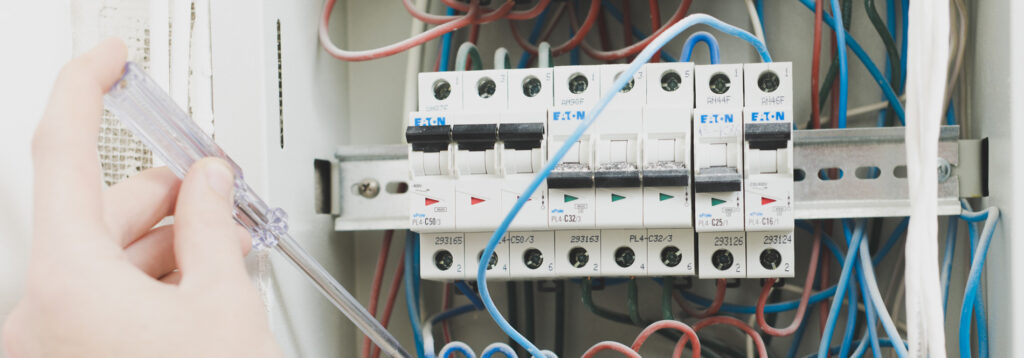
Modern homes rely on electricity throughout the day. Kitchens, bathrooms, laundries, outdoor power points, air conditioning, lighting and entertainment equipment all create different electrical demands. A fault in an appliance or circuit can create a serious risk, particularly where electricity and moisture are close together.
Safety switch protection is especially important in areas where people use electrical appliances regularly. Think about a hair dryer in the bathroom, a washing machine in the laundry or power tools used outdoors. These are everyday situations, but damaged cords, faulty equipment and moisture can create hazards. Electrical safety switches provide an important protective layer when faults occur.
Older Sydney homes deserve particular attention. Some properties have ageing switchboards, outdated wiring or a mixture of electrical work completed over several decades. A switchboard that looks tidy from the outside may not provide protection across every circuit. A professional inspection can identify gaps and help determine whether Safety Switch Installation or a broader switchboard upgrade is appropriate.
The NSW Government explains the role of safety switches and recommends checking that household circuits have suitable protection. Its electrical safety guidance for the home also explains how to recognise and test these devices. If you are unsure about your current setup, do not open the switchboard yourself; arrange an inspection by a licensed electrician.
Does One Safety Switch Protect the Whole House?
Not necessarily. A safety switch only protects the circuit or circuits connected to it. Some older switchboards may have one device protecting several circuits, while other installations have separate protection for different circuits. The arrangement depends on the switchboard design and the electrical work completed at the property.
For example, a safety switch protecting power points may not automatically provide protection to every lighting or appliance circuit. A fault on an unprotected circuit may therefore not receive the same safety switch protection. This is why an electrician should check the coverage of the entire installation rather than simply confirming that one safety switch is present.
When discussing Safety Switch Installation, ask which circuits are protected and whether the existing arrangement is suitable for your home. The answer should be based on the actual switchboard, wiring and applicable requirements, not a generic assumption that one device is enough.
What Are the Signs Your Home May Need a Safety Switch?
The clearest reason to arrange an inspection is uncertainty. If your home is older, the switchboard has not been checked for years, or you cannot identify any devices with a test button, it is worth getting professional advice. A property may have had renovations or electrical additions without a homeowner knowing exactly what protection is now in place.
Frequent tripping can also be a warning that something needs investigating. A safety switch may trip because an appliance is faulty, moisture has entered equipment or there is an issue with the wiring. Do not keep resetting a device that repeatedly trips without identifying the cause. Unplugging equipment may help isolate an appliance fault, but do not touch damaged wiring or attempt repairs yourself.
Other warning signs include a burning smell from the switchboard, buzzing sounds, visible damage, warm electrical fittings or a tingling sensation when touching an appliance. Treat these signs seriously. Stop using the affected equipment and contact a licensed electrician. If there is smoke or fire, move away and call emergency services.
Safety Switch Requirements in NSW
Electrical safety requirements in NSW are designed to reduce the risks associated with electrical installations and equipment. The protection required for a property can depend on the type of work being carried out, the age and condition of the installation and the applicable standards.
The NSW Government recommends safety switches for household electrical circuits and advises homeowners to have their switchboards checked by a licensed electrician. For installation work, NSW requires electrical wiring work to be carried out by an appropriately licensed person. Following electrical work, the electrician must provide the relevant Certificate of Compliance for Electrical Work (CCEW).
For homeowners, this means Safety Switch Installation should never be treated as a DIY switchboard project. Do not remove the switchboard cover, handle exposed wiring or attempt to replace a device yourself. The NSW Government’s electrical work licensing guidance explains the licensing requirements for electrical wiring work.
FMZ Electrical provides electrical services across West and North Sydney, including electrical repairs and switchboard-related work. If your property needs an assessment, an electrician can explain the available options and whether other switchboard issues should be addressed at the same time.
How Often Should You Test a Safety Switch?
A safety switch should be tested regularly to check that its mechanism is operating correctly. NSW Government guidance recommends testing household safety switches every six months. Always follow the manufacturer’s instructions for the particular device, as testing procedures and recommendations can vary.
The test button is designed to simulate a fault condition and check whether the switch disconnects the supply. Before testing, tell everyone in the household because the power to the protected circuit will turn off. Make sure computers, appliances and other equipment are not in the middle of something important. Nobody needs a surprise blackout halfway through a work presentation.
Follow the manufacturer’s instructions and the guidance provided by your electrician. If the switch does not trip when tested, does not reset correctly or behaves unusually, contact a licensed electrician. Do not remove the switchboard cover or attempt to investigate the internal mechanism yourself. Regular testing is an important part of maintaining the protection provided by Safety Switch Installation.
What Happens During Professional Safety Switch Installation?
The process starts with an inspection of your existing switchboard and electrical installation. The electrician checks the current protective devices, identifies which circuits have safety switch coverage and considers the condition and capacity of the switchboard. This helps determine whether a new device can be installed in the existing board or whether additional upgrades may be required.
The electrician then selects suitable protection for the relevant circuits and completes the installation in accordance with applicable electrical requirements. Depending on the existing setup, this may involve installing RCDs, RCBOs or upgrading parts of the switchboard. The work should include appropriate testing to confirm that the installation operates correctly and that the required safety checks have been completed.
A professional Safety Switch Installation should also leave you with a clear explanation of what has been installed and which circuits are protected. Ask for the relevant compliance documentation and keep it with your property records. If you are planning renovations, adding new appliances or upgrading an older switchboard, it is a good time to discuss the wider electrical safety of the home.
How to Choose a Safety Switch Electrician in North West Sydney
Electrical work is not the place to choose someone based on the cheapest quote alone. You want an electrician who is appropriately licensed, understands residential switchboards and can explain the work in plain English. A good professional should inspect the installation before recommending equipment, rather than assuming every home needs the same solution.
When comparing providers, ask whether the quote includes an assessment of existing circuit protection, the proposed devices, installation, testing and compliance documentation. You should also understand whether the switchboard needs additional work and why. A clear explanation helps you compare quotes on the actual scope rather than just the price.
For homeowners seeking a safety switch electrician North West Sydney, FMZ Electrical services West Sydney, North Sydney and the Hills District. The team provides electrical services for residential properties, including switchboard upgrades and safety-related work. Choosing a licensed electrician for Safety Switch Installation helps ensure the work is completed and tested by someone qualified to carry it out.
Simple Ways to Improve Home Electrical Safety
Safety switches are an important part of home electrical safety, but they work best alongside sensible everyday habits. Check appliance cords for visible damage, avoid using electrical equipment that has been exposed to water and replace damaged power boards. Keep electrical appliances away from wet areas unless they are designed for the environment, and avoid overloading power points.
If an appliance gives you a tingling sensation or causes a shock, stop using it immediately. Do not touch it again to see whether the problem happens twice. Arrange professional inspection or repair. Similarly, never ignore repeated tripping, burning smells or unusual sounds from electrical fittings.
A well-maintained installation, suitable protective devices and regular testing all contribute to safer electrical use. Safety Switch Installation is a valuable safeguard, but it should sit alongside proper maintenance, safe appliance use and professional attention when something does not seem right.
Conclusion
A safety switch is an essential layer of protection for your home because it can detect dangerous current leakage and disconnect power quickly, helping reduce the risk of electric shock. Understanding the difference between a safety switch and a circuit breaker, checking which circuits are protected and testing devices regularly can help you make better decisions about your home’s electrical safety. If your switchboard is older or you are unsure about its protection, a professional inspection is a sensible next step.
For reliable advice about your home’s electrical protection, speak with a licensed electrician before a small concern becomes a serious hazard. If you need Safety Switch Installation in West or North Sydney, contact FMZ Electrical to arrange an assessment and discuss the right solution for your property
1. What is a safety switch in a house?
A safety switch is an electrical device, also called a Residual Current Device (RCD), that monitors current flowing through a circuit. If it detects an imbalance that may indicate current leakage, it disconnects the power quickly to help reduce the risk of electric shock
2. How does a safety switch protect you from electric shock?
It monitors the current leaving and returning through a circuit. If some current escapes the intended path, the device detects the imbalance and switches off the electricity supply. This helps reduce the duration of exposure to a dangerous electrical fault.
3. Is a safety switch the same as a circuit breaker?
No. A safety switch is designed to detect current leakage and help protect people from electric shock. A circuit breaker primarily protects wiring against overloads and short circuits. An RCBO combines both functions in one device.
4. How many safety switches does a house need in NSW?
The required arrangement depends on the circuits, switchboard and applicable electrical requirements. One safety switch may protect several circuits, while other homes have individual protection for different circuits. A licensed electrician can inspect your installation and explain whether coverage is adequate.
5. How often should I test my safety switch?
NSW Government guidance recommends testing household safety switches every six months. Follow the manufacturer’s instructions and tell household members before testing because the protected circuit will lose power. If the switch fails to trip or reset, contact a licensed electrician.
6. Can I install a safety switch myself?
No. Safety switch installation involves electrical wiring and switchboard work, which must be carried out by an appropriately licensed electrician in NSW. DIY electrical work can cause serious injury, fire or damage. Arrange professional installation and keep the compliance documentation provided after the work.
