
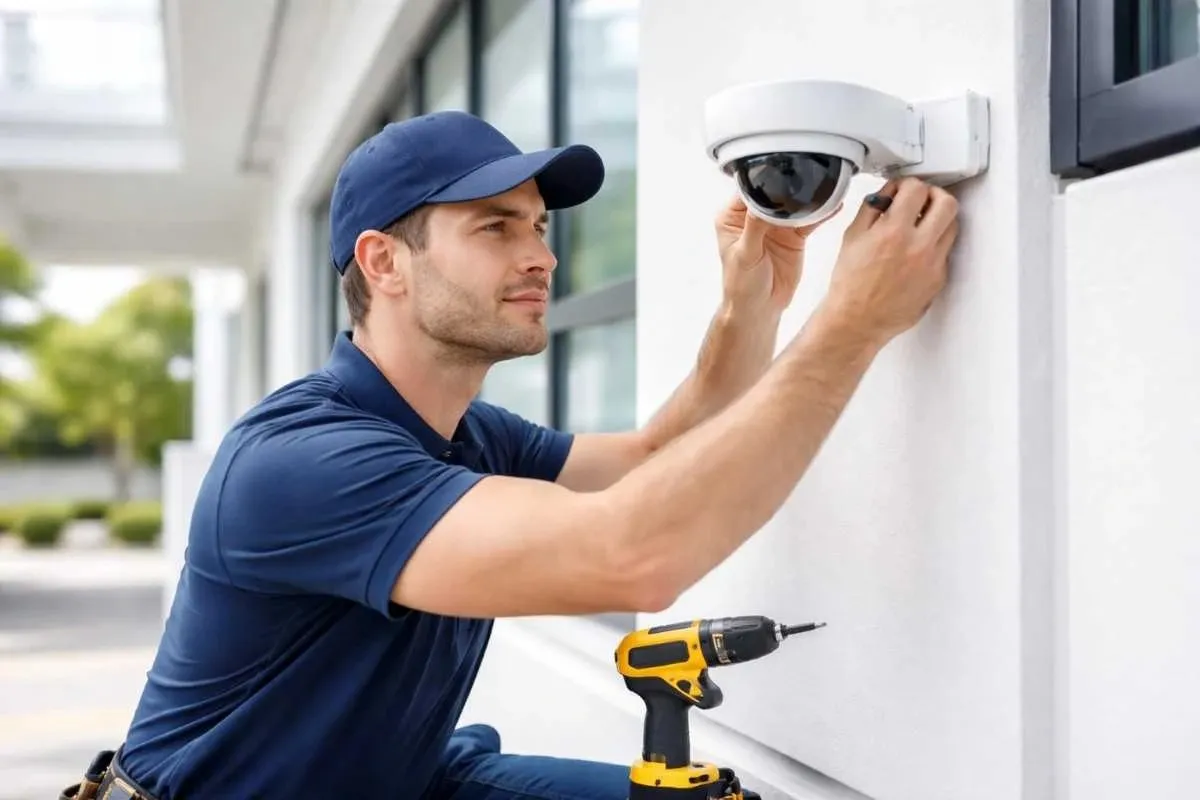
Sydney properties have their own security quirks. A security system installation for a narrow terrace can look very different from one planned for a detached Western Sydney home, apartment or busy commercial site.
Understanding your property’s routines, like long commutes or package deliveries, helps create a system that gives homeowners and professionals peace of mind that security fits their daily life without disruption.
Sydney’s climate adds another layer. Summer heat, heavy rain, strong sunlight and salty air around coastal suburbs can affect outdoor equipment and where it should be positioned. Good planning considers these details before anyone drills walls or runs cables.
Plan Your security system installation
Start with the property itself, not a catalogue of cameras and alarms. Walk around in daylight and again after sunset, noting how someone could approach the building and which areas are hard to see from inside.
For a security setup, map every practical entry route. Include the front door, garage, side gate, rear door, balconies and less obvious access points rather than concentrating only on the main entrance.
Property type changes the exercise. A terrace may have a narrow side passage and limited mounting space. A detached home can have a driveway, shed and larger backyard to consider. Apartments introduce strata rules and restrictions around common property.
Include lighting in your assessment. Headlights, street lamps, porch lighting and deep shadows can affect what cameras capture at night.
Also consider privacy. Cameras should provide useful coverage of your property without unnecessarily recording neighbouring homes or shared areas.
Understand Sydney Property Risks
The best security system installation Sydney plan responds to how the property is occupied and what surrounds it.
Inner-city homes may experience regular pedestrian movement, deliveries and limited street parking. Larger Western Sydney properties may have wider driveways, detached garages, sheds or several outdoor access points. Coastal homes need greater attention to exposed equipment and fixings.
Your daily habits matter just as much. If you arrive home after dark, the path from the street to the front door deserves attention. If the garage doubles as an everyday entrance, don’t treat it as an afterthought.
Think about who else uses the property. Children, pets, cleaners, gardeners, tradespeople and visitors can all affect sensor placement and access arrangements.
For a commercial site, consider staff entrances, customer areas, delivery points, storage rooms and restricted spaces. The aim is to identify where security needs to support normal activity rather than simply adding devices everywhere.
Select Cameras For Sydney Conditions
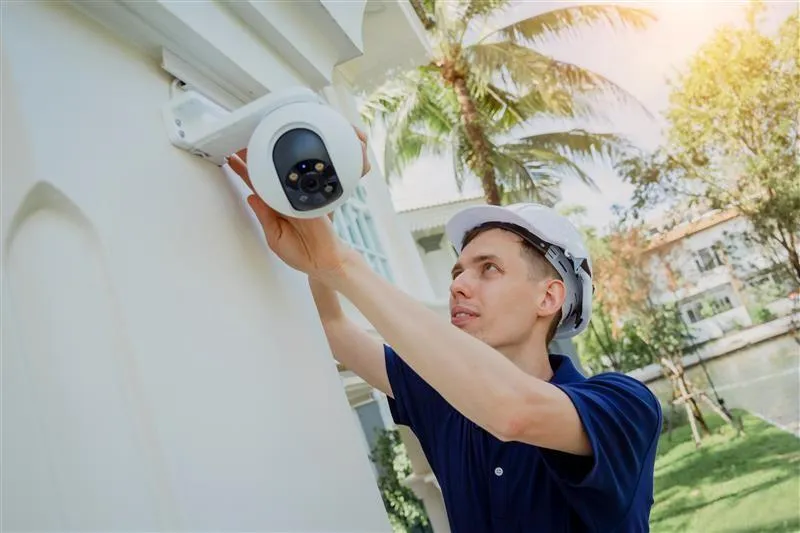
Outdoor cameras spend every day exposed to the environment, so their position matters as much as their specifications.
When planning a security system installation with security camera and alarm systems, consider what each camera needs to capture. A driveway camera may need a wide view, while an entrance camera may need a tighter image that clearly shows someone approaching the door.
Sydney’s bright summer sun can create glare, particularly when a camera faces east or west. Rain can also reduce visibility, while nearby trees may create shadows and moving foliage that triggers unnecessary motion alerts.
Salt exposure deserves attention in coastal suburbs. Equipment mounted outside should suit its environment, and fixings should not be chosen without considering long-term exposure.
Think about maintenance before finalising a position. A camera covered by cobwebs or dirt cannot provide useful footage, so it should be accessible enough for sensible cleaning and servicing.
Choose Wired Security Systems Sydney
Cabling is one of the biggest practical decisions when planning wired security systems Sydney properties. New homes and major renovations offer an obvious advantage because you can plan cable routes before walls and ceilings are finished.
For existing properties, security system installation requires more thought, particularly where brick walls, finished surfaces or limited roof access make concealed cabling difficult. The building’s age and construction can influence how neatly cables can be routed without disrupting finished areas.
Wireless security systems Sydney homeowners choose can reduce installation disruption, but they still need reliable power, strong network coverage and sensible device positioning. A wireless camera placed where the signal is weak may create a different problem rather than solving the original one.
A hybrid setup can make sense when permanent cabling suits some locations but flexible placement is useful elsewhere. Before choosing, ask how cables will reach each device, where power will come from and whether another camera could be added later.
Planning these routes early can prevent visible cables and unnecessary alterations.
Build Around Sydney Lifestyles
Home security system installation Sydney should accommodate how the household actually behaves, including work schedules, children, pets, deliveries, and regular visitors.
During a typical Sydney workday, one person may leave early, another may work from home, a courier may arrive at midday, and everyone may return at different times. Consider these patterns before configuring sensors and alerts.
Security alarm installation Sydney also needs careful sensor placement in busy households, particularly where pets, children or frequent visitors could trigger unnecessary alerts. A sensor covering an area where pets regularly move may produce constant alerts, while one positioned near a frequently used doorway may react to activity.
Smart home security Sydney households use can help manage these situations through remote camera viewing, temporary access permissions and useful phone notifications.
Thoughtful alert settings can also prevent constant notifications from becoming background noise, particularly for households that spend much of the day away.
However, convenience should not dictate every decision. If a feature adds another app, subscription or account without solving a real problem, it may not be worth including.
Add Smart security system installation
Integrated security system planning Sydney property owners choose can make security easier to manage when cameras, alarms, sensors and access devices are properly compatible.
With smart security system installation, cameras, alarms, sensors and compatible locks can work together rather than operating as completely separate products. For example, an unusual door event could trigger an alert while nearby footage provides additional context.
Before buying equipment, check how the devices communicate. Products that look similar can use different platforms, which may leave you switching between several apps.
Remote access also requires sensible permissions. A household might need separate access for adults, while a business could require different permissions for managers, employees and contractors.
Digital security matters here too. Use strong passwords, enable available security controls and keep device software updated. A smart system is still part of your digital environment, so online account security should receive the same attention as physical placement.
Commercial Security Access Control Sydney

Commercial premises have a different challenge: people need access for legitimate reasons throughout the day. For commercial security system installation Sydney, start by listing who enters the premises and which areas they need to access.
A small office might only need controlled entry at the front door and a restricted storeroom. A warehouse could have separate requirements for staff, deliveries, managers and contractors.
This is where access control installation Sydney can provide practical value. Individual credentials can make it easier to assign and remove permissions without relying on shared keys.
Consider staff turnover as well. When someone leaves, you should be able to remove their access without disrupting everyone else’s permissions.
Commercial security systems Sydney businesses choose should also account for after-hours activity. Cleaning staff, maintenance contractors and late deliveries may require limited access without opening every part of the premises.
Budget For The Complete Installation
The cheapest equipment package is not necessarily the cheapest finished project. Labour, cable routes, mounting, power requirements, configuration and future changes can all affect the final cost.
When comparing quotes for security system installation, check what the price actually covers.
| Area | What to check | Why it matters in Sydney |
| Cameras | View, night performance and positioning | Sunlight, rain and outdoor exposure |
| Alarm | Sensors, zones and alert settings | Pets, children and daily movement |
| Wiring | Cable routes and concealment | Older homes and brick construction |
| Network | Coverage and connection quality | Larger homes and detached areas |
| Access control | Users and permission levels | Staff, contractors and visitors |
| Outdoor equipment | Environmental suitability | Heat, rain and coastal conditions |
| Future capacity | Additional devices and cabling | Renovations or changing needs |
If you expect to renovate, extend the property or add another entrance later, mention it before installation. Spare capacity is easier to plan at the beginning than to retrofit later.
Check Licensing And Electrical Work
Security system installation can involve more than mounting devices, particularly when electrical work and specialised equipment are involved. Appropriately licensed professionals in NSW should handle cabling, power supplies and other electrical work.
Ask the installer to explain which parts of the project involve electrical work and who will perform them. You should also understand whether separate security licensing requirements apply to the particular security services being provided.
This is especially relevant when comparing professional security installers West Sydney or security installers North Sydney. Do not assess contractors solely on the equipment brands they sell.
Ask about their installation process, documentation, testing and after-installation support. You should know who is responsible for each part of the completed system.
For electrical work, choosing an appropriately licensed electrical contractor also gives you a clearer path for compliance and documentation.
Test Everything Before Handover
The installation is not finished when every camera displays an image. Test the system using realistic situations. Walk to entrances, open relevant doors, check alarm responses, and confirm notifications reach the intended devices.
If your security system installation includes remote access, test it from off-site as well. Make sure authorised users can log in and understand what each alert means. Check cameras in daylight and after sunset. Review areas affected by headlights, shadows and outdoor lighting rather than assuming daytime footage represents normal performance.
Authorised access should be tested too. Everyone who needs entry should know their code, credential or app, while old permissions should be removed where appropriate. Finally, ask about routine maintenance, software updates and what to do when a device stops communicating. Knowing this before handover makes the system easier to live with.
Choose Security That Fits
A well-planned security system installation starts with the property, its surroundings, and how people actually use it. Sydney homes and businesses can have very different requirements, so consider camera positions, cabling, access controls, weather exposure, smart features, and future expansion before selecting equipment.
If you are planning security upgrades for a Sydney home or business, contact FMZ Electrical to discuss your property’s electrical requirements and installation considerations.
1. What should I consider before security system installation?
Consider entry points, property layout, lighting, outdoor exposure, household routines, network coverage and future changes. These details help determine where cameras, alarms, sensors and access devices should be positioned.
2. Is security system installation suitable for apartments?
Yes, although apartments can have restrictions around common property, external walls, cabling and camera placement. Check strata requirements before installation and identify which areas belong exclusively to your apartment.
3. Which cameras suit Sydney’s climate?
Choose outdoor equipment suited to exposure to rain, heat, and sunlight. Coastal properties may also need extra consideration around salt exposure. Camera placement should reduce glare while keeping equipment accessible for maintenance.
4. Are wireless security system installation options reliable?
Wireless systems can work well when devices have reliable power and strong network communication. They may suit existing homes where extensive cabling would be disruptive, although each property should be assessed before choosing wireless equipment.
5. Can smart security improve home access?
Yes. Smart locks, cameras and alerts can make access easier for busy households, particularly when people arrive at different times. Use individual permissions and secure accounts rather than sharing one login.
6. Do businesses need access control installation?
Yes. security system installation can support businesses where employees, contractors or visitors need different levels of access. Individual credentials can simplify permission management and make it easier to remove access when someone leaves the organisation.
