
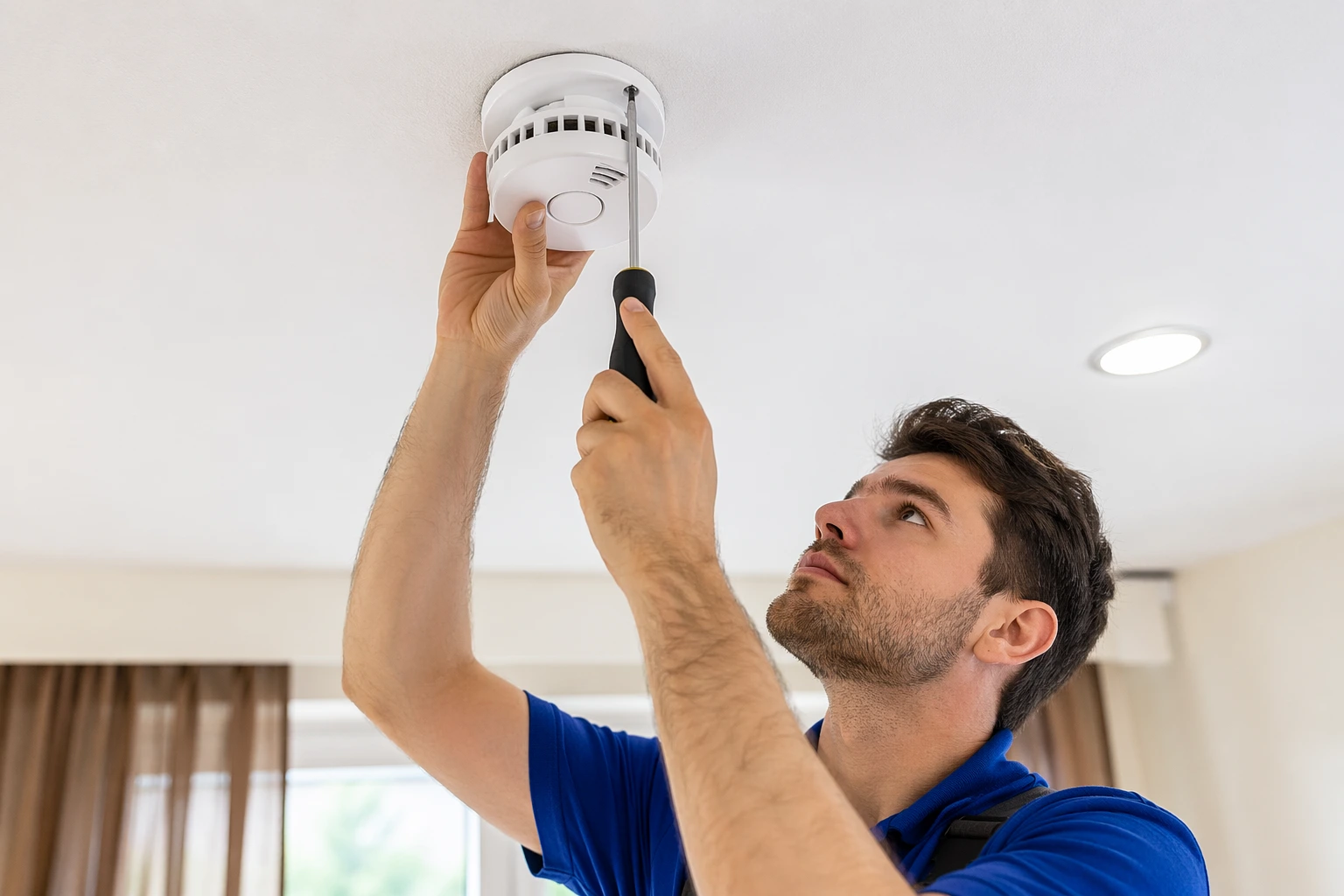
A smoke alarm can be easy to overlook when everything at home is working normally. Smoke Alarm Installation becomes even more important when you consider how quickly smoke can spread while people are asleep, helping ensure safety and peace of mind for homeowners and residents.
Sydney homes do not follow one standard layout. A narrow terrace, high-rise apartment, renovated bungalow and multi-level townhouse can all have different sleeping areas, ceiling structures and electrical systems.
The local environment matters, too. Coastal humidity, dust, insects and renovation debris can affect older alarms, while winter heating, busy kitchens and electrical appliances create different considerations throughout the year.
Start With Your Property’s Layout And Needs
Start with the property rather than a particular alarm model. NSW law requires at least one working smoke alarm on every level of a home where people sleep, including levels without bedrooms. Residential smoke alarms must meet Australian Standard AS 3786, reassuring landlords and homeowners that they are meeting legal safety standards.
That is the legal baseline, but homeowners can choose broader protection. Fire and Rescue NSW recommends additional interconnected alarms in bedrooms and living areas, including hallways and stairways.
Consider a two-storey terrace with three bedrooms upstairs and an open-plan kitchen downstairs. An alarm downstairs may satisfy the basic requirement for that level, but interconnected alarms can provide a faster warning upstairs if smoke is detected below.
The same issue appears after renovations. Removing a wall, adding a bedroom or converting an unused room can change how smoke travels through the property.
Before arranging residential smoke alarm installation, consider:
- Every level of the home, including areas without bedrooms.
- The position and number of sleeping areas.
- Open-plan kitchens and living spaces.
- Stairways and long corridors.
- Existing alarm locations and their age.
- Whether interconnected alarms would improve warning coverage.
This approach avoids treating installation as a simple ceiling-fitting exercise. The floor plan should determine the system.
Where Smoke Alarms Should Be Positioned
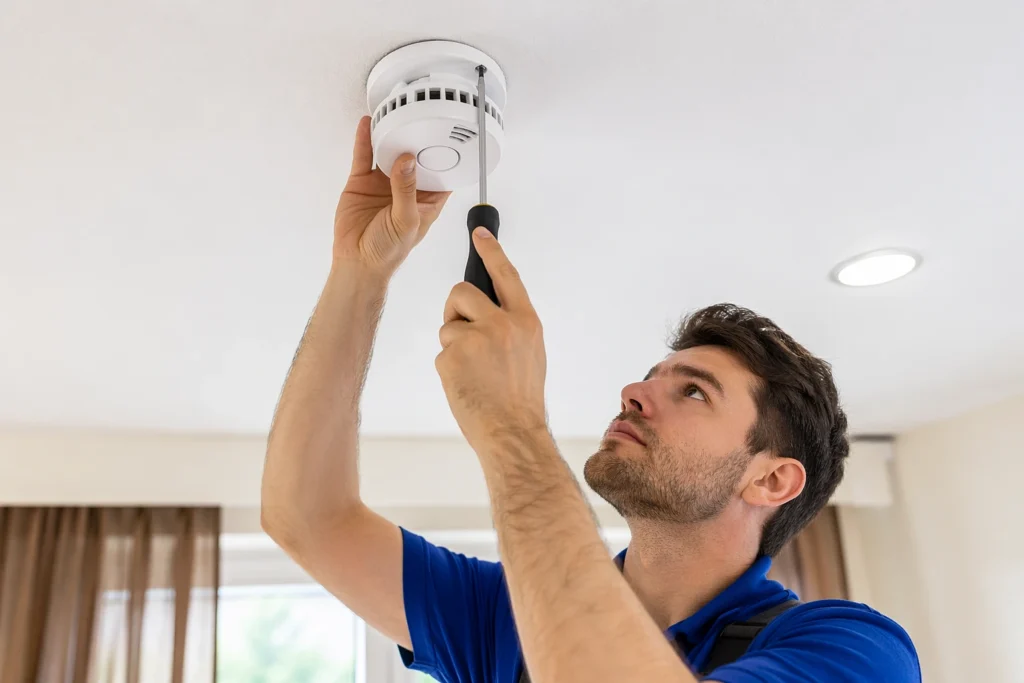
In an older Sydney property, smoke alarm placement Sydney decisions can be more complicated than they first appear.
Terraces often have long corridors and narrow rooms, while Federation and heritage homes may have high ceilings and several enclosed spaces. Renovations can add another layer by changing the original relationship between bedrooms, kitchens and living areas.
NSW requirements specify locations associated with bedrooms, including hallways near sleeping areas. If bedrooms are separated into different parts of a home, each area needs appropriate alarm coverage.
The position should also follow the manufacturer’s instructions. Don’t move an alarm just because a ceiling area is easier to reach. Kitchens require particular care. An alarm installed too close to normal cooking activity may produce repeated nuisance alarms. Bathrooms can create similar problems through steam.
For homeowners researching smoke detector placement Sydney, the surrounding conditions matter as much as the room itself. Coastal humidity, renovation dust and insects can affect older devices.
During Smoke Alarm Installation, good placement means finding a point where the alarm can detect smoke effectively, be heard by occupants and remain suitable for normal household activity.
Why Apartments Need A Different Approach
Apartment living changes the installation question because the owner does not always control every part of the building. First, establish whether the alarm sits within the individual lot or forms part of a shared fire safety system. Don’t alter common property or building-wide systems without checking the relevant strata arrangements.
Inside the apartment, the floor plan still matters. A compact one-bedroom unit has different needs from a larger apartment with bedrooms separated from the main living area.
This is where smoke detector installation Sydney needs careful planning. Concrete slabs, concealed services and restricted ceiling access can affect where cabling can run and which positions are practical.
The same consideration applies in North Sydney high-rises, where apartment layouts, strata requirements and building construction can make electrical work different from a detached suburban home.
Before renovation work starts, discuss smoke alarm installation Sydney with the electrician. If ceilings are already being opened for lighting, air conditioning or other electrical work, planning the alarms at the same time can reduce later disruption.
For a strata apartment requiring smoke alarm installation North Sydney, homeowners should also establish whether approval is needed before modifying wiring or equipment connected with common property.
Choosing The Right Alarm System
The power source is only one part of the decision. The number of alarms, their position and whether they are interconnected can affect how quickly occupants receive a warning.
Fire and Rescue NSW recommends hardwired and interconnected alarms wherever possible. Where mains-powered installation is not practical, it recommends alarms with long-life lithium batteries.
| System | Where it can work well | Important consideration |
| Hardwired | New homes and renovations | Requires licensed electrical work |
| Hardwired and interconnected | Larger or multi-level homes | Multiple alarms can sound together |
| 10-year lithium battery | Existing homes where cabling is impractical | Whole unit is replaced at the end of its service life |
| Older replaceable-battery unit | Existing installations awaiting review | Battery and alarm age need monitoring |
For homeowners comparing photoelectric smoke alarms Sydney, consider technology alongside coverage and positioning. Photoelectric alarms are widely recommended for residential use, but no alarm can compensate for poor placement or inadequate coverage.
Hardwired systems can make sense during renovations because an electrician can plan cable routes while ceilings are open. Interconnection is particularly useful where bedrooms are separated from the main living areas.
A battery-powered system can be practical where new cabling would cause unnecessary disruption. For Smoke Alarm Installation, choose the system that suits the building rather than equipment selected only for its purchase price.
When Your Smoke Alarm System Needs Replacing
An alarm can look clean and undamaged while still being due for replacement. For smoke alarm replacement Sydney, homeowners should check the manufacturing date or other age information on each unit. NSW guidance requires residential smoke alarms to be replaced within 10 years of manufacture, or earlier if the manufacturer specifies. Age is not the only reason to reassess the system.
For example, if a spare room has become a bedroom, a garage has been converted into a living space, or a wall has been removed between the kitchen and lounge. The previous alarm arrangement may no longer suit the property’s current layout.
Renovation is therefore a useful point to review the entire system, particularly before new ceilings are closed.
A replacement review should consider:
- Whether every alarm is within its service life.
- Whether each unit meets AS 3786.
- Whether the current locations still suit the floor plan.
- Whether alarms should be interconnected.
- Whether hardwired installation is practical.
- Whether dust or building work has affected existing devices.
Replacing one faulty unit can solve an immediate problem without addressing an ageing or inconsistent system. During Smoke Alarm Installation, checking all alarms together gives homeowners a clearer picture of whether the existing system still suits the property.
How Renovations Can Affect Alarm Compliance
Renovations can create compliance issues because the home may no longer resemble the property for which the original alarm system was installed.
Smoke alarm compliance NSW requirements still apply when rooms are altered, added or repurposed.
For example, turning a study into a bedroom changes the sleeping arrangement. Extending a living area may alter the relationship between the kitchen and sleeping spaces. Adding another storey creates another level that needs a working alarm.
The legal minimum is one working smoke alarm on every level, with the required positioning around sleeping areas. All residential smoke alarms must meet AS 3786.
Homeowners can choose to go beyond that minimum. Fire and Rescue NSW recommends interconnected alarms in bedrooms, living spaces, hallways, and stairways, with additional protection in areas like the garage also recommended.
NSW compliance sets the legal floor. A better-planned system can provide broader warning coverage for the people and rooms that matter most in the property.
If electrical work is already planned, it is also worth discussing hardwired smoke alarm installation before walls and ceilings are closed.
What Rental Properties Need To Consider
Rental properties involve additional responsibilities because landlords, agents and tenants have different roles. Landlords must ensure required alarms are working and arrange annual checks. NSW rental rules also set requirements for repairs and replacement, while strata properties can involve additional responsibility arrangements.
Where professional installation is required, a smoke alarm electrician Sydney homeowners or landlords hire should be licensed for any electrical work involved with hardwired alarms.
This is particularly relevant when a property needs a new system rather than a simple battery change. A qualified smoke alarm installer Sydney can assess existing wiring, alarm locations, interconnection and the age of the equipment before recommending replacement.
For landlords seeking smoke alarm installation West Sydney, the property may be an older brick home, renovated terrace or converted space. The installation should reflect the actual layout rather than assuming every rental needs the same setup.
Tenants should report a faulty alarm to the landlord or agent rather than removing or turning it off.
Keeping Your Smoke Alarm System Reliable
A reliable smoke alarm installation service should account for the home’s layout, sleeping arrangements, electrical system and future changes. For Sydney homeowners, that means looking beyond the minimum requirement and ensuring alarms can provide useful warning where people actually live and sleep.
If you need a new installation, replacement or professional assessment, contact FMZ Electrical for smoke alarm services across West and North Sydney. A licensed electrician can inspect the existing system and recommend a practical solution for your property.
1. Are photoelectric alarms suitable for Sydney homes?
Photoelectric alarms are widely recommended for residential properties, including Sydney homes. When planning Smoke Alarm Installation, technology alone does not determine protection; correct positioning, sufficient coverage, interconnection and regular maintenance also matter.
2. Can homeowners install hardwired smoke alarms?
Hardwired alarms involve electrical work and must be installed by a licensed electrician. During Smoke Alarm Installation, professional work also allows the wiring, alarm positions, backup power and interconnection to be checked before the system is put into service.
3. Does every level need a smoke alarm?
Yes. NSW law requires at least one working smoke alarm on every level of a residential home, including levels without bedrooms. Smoke Alarm Installation should also consider broader coverage around bedrooms, living spaces, hallways and stairways.
4. How often should smoke alarms be tested?
Fire and Rescue NSW recommends testing smoke alarms every month and cleaning them every six months. Regular testing should form part of ongoing Smoke Alarm Installation maintenance, while replaceable batteries should generally be changed annually and alarms replaced at least every 10 years.
5. What should renters do about faulty alarms?
Tenants should notify their landlord or agent when a smoke alarm is not working. If Smoke Alarm Installation or electrical repair is required, NSW rental rules place specific responsibilities on landlords, with additional arrangements applying to some strata properties.
6. Should alarms be replaced after renovation?
A renovation does not automatically mean you must replace every alarm, but you should reassess the system. Changes to bedrooms, walls, ceilings and living areas can make previous alarm locations unsuitable for the new layout. Smoke Alarm Installation may then be necessary if the existing system no longer suits the renovated home.
