
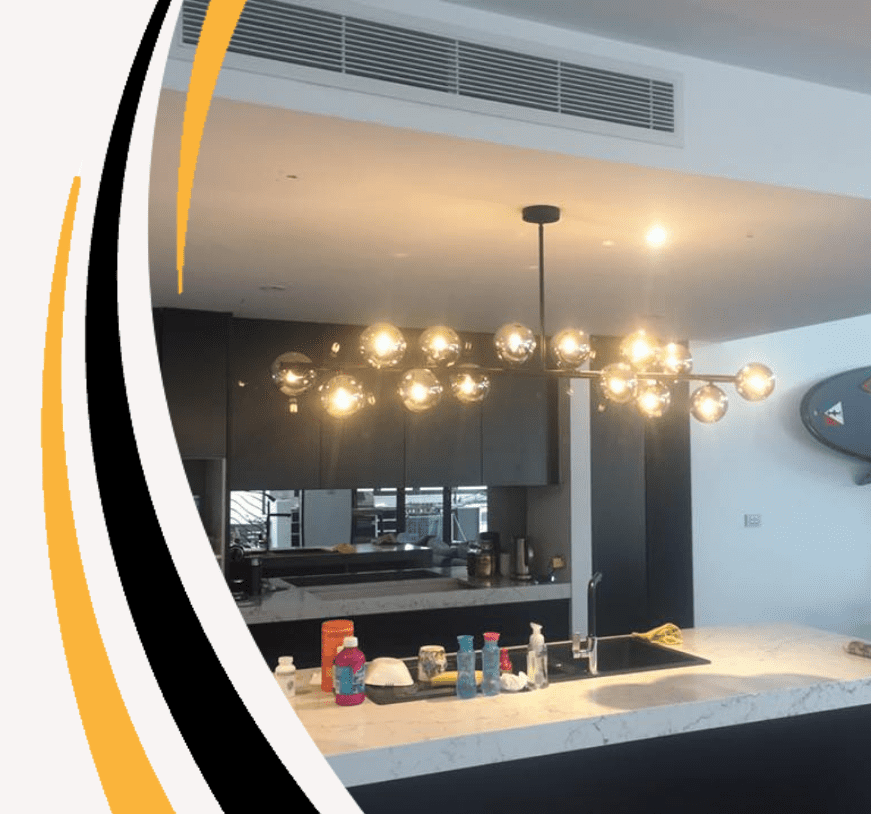
Lighting does more than brighten a room. It influences how a space looks, how comfortably people use it and how well it supports everyday activities. From elegant pendant lights above a kitchen island to practical outdoor security lights, the right setup can make a noticeable difference to a property’s appearance and functionality.
If you are renovating your home, upgrading an office or planning a new commercial space, understanding the different types of lighting installations can help you make better decisions. The ideal solution depends on your room layout, ceiling height, electrical setup, budget and preferred style.
What Are the Main Types of Lighting?
Lighting is generally divided into three main categories: ambient, task and accent lighting. Ambient lighting provides overall illumination, task lighting helps with specific activities, and accent lighting highlights architectural details or decorative features.
The main types of lighting installations often combine these categories to create a balanced result. Instead of relying on one bright ceiling light, a carefully planned room may use general ceiling lighting, focused illumination over work surfaces and softer decorative lights to add character.
For example, a kitchen might use ceiling lights for general visibility, under-cabinet lighting for food preparation and pendant lights above the island. In a bedroom, ceiling lighting can work alongside bedside lamps to provide both general brightness and a more relaxing atmosphere.
1. Ambient or General Lighting
Ambient lighting provides the main layer of illumination in a room. It helps people move around comfortably and makes the space usable throughout the day and evening.
Common options include ceiling-mounted fixtures, recessed downlights, flush-mount fittings and suitable pendant lights. The best choice depends on the room’s dimensions, ceiling height, natural light and intended use.
In living rooms and bedrooms, warm ambient lighting can create a welcoming atmosphere. Kitchens, bathrooms and work areas may need brighter, more evenly distributed light. The goal is to provide sufficient visibility without creating harsh glare or distracting shadows.
When planning lighting installations for a home, consider how furniture, cupboards and other objects might block light. A fitting that appears correctly positioned on a floor plan may not illuminate the area effectively once the room is furnished.
2. Task Lighting
Task lighting provides focused illumination for activities that require better visibility. Examples include reading, cooking, applying makeup, studying, sewing and working at a desk.
Popular options include desk lamps, under-cabinet kitchen lights, bathroom mirror lights and adjustable bedside fittings. In a kitchen, task lighting positioned beneath overhead cabinets can illuminate the worktop without relying entirely on ceiling lights.
A home office may benefit from a desk lamp alongside general room lighting. This helps reduce strong contrasts between the computer screen and the surrounding area. Similarly, well-positioned mirror lighting can make grooming tasks easier without creating unhelpful shadows across the face.
Effective task lighting installations should match the activity being performed. Brightness, beam direction and fitting position all matter, so the light should be selected for the actual task rather than appearance alone.
3. Accent Lighting
Accent lighting draws attention to selected features, including artwork, textured walls, shelving, decorative objects and architectural details. It adds visual depth and can help a room feel more thoughtfully designed.
Common choices include picture lights, wall washers, track lights and concealed LED strips. In a living room, accent lighting might highlight a feature wall. In a retail environment, it can help draw attention to products or displays.
The key is balance. If every surface receives the same amount of light, the room may look flat. Carefully positioned accent lighting creates contrast, but excessive brightness can be distracting.
Accent lighting installations should therefore be planned around the features you want to highlight. Consider the direction of the beam, the distance from the feature and the shadows created by the fitting.
4. Recessed Lighting and Downlights
Recessed lighting sits inside the ceiling, creating a clean and unobtrusive appearance. It is commonly used in modern houses, apartments, offices, hallways and open-plan living areas.
Downlights can provide general illumination or focus light on specific areas. Their effectiveness depends on spacing, beam angle, ceiling height and the brightness of each fitting. Installing too many can make a room feel harsh, while poor spacing may leave noticeable dark patches.
Ceiling insulation, heat management and the fitting’s suitability for the installation environment also need attention. Bathroom fittings must be appropriate for their intended location, particularly where moisture and water exposure are concerns.
These lighting installations are popular in contemporary interiors, but they should be designed around the room rather than installed at arbitrary intervals. A qualified electrician can assess the ceiling construction, existing wiring and fitting requirements before work begins.
5. Pendant and Chandelier Lighting
Pendant lights hang from the ceiling and often combine practical illumination with decorative appeal. They are popular above kitchen islands, dining tables, reception counters and selected areas in open-plan rooms.
Chandeliers can provide a striking focal point in entryways, dining rooms and spaces with higher ceilings. Modern designs range from simple geometric fittings to more elaborate decorative pieces.
Before choosing a pendant, consider its size, hanging height and relationship to nearby furniture. A large fitting may overwhelm a small dining area, while a fitting that hangs too low can obstruct movement or sightlines.
Pendant lighting installations should also provide enough useful light for the intended activity. Decorative appearance matters, but so does brightness, glare control and compatibility with any dimmer switch.
6. Track and Rail Lighting
Track lighting uses adjustable light heads mounted along a track. Each head can be directed towards a particular area, making this option useful for shops, galleries, studios, kitchens and flexible workspaces.
The main advantage is adaptability. If displays or furniture change, the light heads can often be redirected without completely redesigning the lighting layout.
Track systems may provide general illumination or highlight specific features, depending on the fittings and arrangement. When planning track lighting installations, check the track’s position, the selected fitting’s compatibility and the electrical requirements of the complete system.
7. Wall Lights and Sconces
Wall lights provide illumination at a different level from ceiling fittings. They can create a softer atmosphere in bedrooms, living rooms, hallways and stairways.
Some wall lights direct illumination upwards, while others shine downwards or in both directions. The effect depends on the fitting’s design, wall surface and mounting height.
Wall lights can also reduce dependence on overhead lighting when a more relaxed atmosphere is preferred. In corridors and stairways, suitable placement can improve visibility and make the space easier to navigate.
For outdoor use, select fittings designed for the expected weather conditions. Wall lighting installations should account for moisture exposure, mounting surfaces, cable protection and the product’s specified rating.
8. LED Lighting Installations

LED lighting is widely used in homes and businesses because it offers versatile designs and generally consumes less energy than traditional incandescent lighting. LED products are available as downlights, panels, strip lights, battens, floodlights, globes and decorative fittings.
When comparing LEDs, look beyond wattage. Lumens indicate the amount of light produced, while colour temperature describes whether the light appears warm, neutral or cool. Colour rendering can also be important in kitchens, retail displays and work areas where accurate colours matter.
Dimming compatibility deserves attention as well. Not every LED fitting works with every dimmer, so check compatibility before upgrading existing lights.
FMZ Electrical offers LED lighting installation and upgrades for residential and commercial properties. A professional assessment can help determine whether existing fittings can be upgraded directly or whether switches, dimmers or other electrical components also require attention.
LED lighting installations can be suitable for everything from a single room upgrade to a larger commercial project. The right selection depends on the light output required, the operating environment, the intended appearance and the overall electrical design.
9. Outdoor and Security Lighting
Outdoor lighting helps people navigate driveways, pathways, entrances, decks and entertaining areas after dark. Security lighting can also improve visibility around access points and other parts of a property.
Common options include sensor lights, floodlights, garden lights, pathway markers, wall lights and deck lighting. Motion sensors can be useful around entrances and driveways, while softer landscape lighting can highlight gardens and outdoor features.
Outdoor lighting installations need to account for weather exposure, moisture, corrosion, mounting position and suitable cable protection. A fitting designed for indoor use may not be appropriate for an exposed outdoor location.
Avoid excessive glare or unnecessary light spilling into neighbouring properties. Brighter illumination may be appropriate for a driveway or access point, while a garden or entertaining area may benefit from softer lighting.
Timers, sensors and smart controls can also help manage operating hours and reduce unnecessary use.
10. Smart and Automated Lighting
Smart lighting allows users to control compatible fittings through mobile apps, voice assistants, schedules, sensors or a home automation system. Depending on the products selected, features may include remote operation, dimming, scene settings and automatic switching.
For example, you could schedule outdoor lights to switch on in the evening, create a softer setting for watching television or use occupancy sensors in selected areas. Businesses may use automated controls to switch off non-essential lighting outside operating hours.
Smart lighting installations require careful consideration of product compatibility. Check whether the selected lights work with the proposed switches, dimmers, wireless system or automation hub.
Smart features can improve convenience, but they should not make everyday operation unnecessarily complicated. Consider how the lights will work if a network connection is unavailable and whether occupants can still control them using ordinary switches.
11. Commercial and Industrial Lighting
Commercial lighting must suit the work being performed, the operating hours, ceiling height and size of the premises. Offices generally need comfortable, consistent illumination with glare controlled around computer screens.
Retail stores may combine general lighting with accent lighting to highlight products and create a particular atmosphere. Warehouses and workshops may require high-bay fittings, task lights and equipment suited to the working environment.
Commercial lighting installations should also consider maintenance access, energy consumption, lighting controls and applicable safety requirements. Emergency lighting may be required in certain buildings and must be assessed according to the relevant regulations and building requirements.
How to Choose the Right Lighting for Each Space
Choosing the right lighting starts with understanding how each area will be used. A kitchen needs useful illumination over work surfaces, while a bedroom may benefit from softer ambient light and separate bedside fittings. A driveway requires practical visibility, whereas a garden may need subtle lighting to highlight pathways and landscaping.
Consider these factors before selecting fittings:
- Purpose: Decide whether the area needs general, task, accent, decorative or security lighting.
- Brightness: Choose an appropriate light output for the activity and room size.
- Colour temperature: Consider whether warm, neutral or cool light will suit the space.
- Energy use: Compare suitable LED options and consider controls that prevent unnecessary operation.
- Installation requirements: Check ceiling construction, existing wiring, moisture exposure and fitting compatibility.
- Maintenance: Think about how easily fittings can be accessed, cleaned and replaced.
The following table compares common options and their typical uses.
| Lighting type | Common applications | Main benefit | Key consideration |
| Ambient lighting | Living rooms, bedrooms and offices | General visibility | Even coverage and comfortable brightness |
| Task lighting | Kitchens, desks and mirrors | Focused illumination | Position and glare |
| Accent lighting | Artwork, shelves and feature walls | Visual depth | Beam direction and contrast |
| Recessed downlights | Hallways, kitchens and open-plan rooms | Clean appearance | Spacing and ceiling suitability |
| Pendant lighting | Dining tables and kitchen islands | Decorative and practical light | Hanging height and scale |
| LED lighting | Indoor and outdoor spaces | Versatile, efficient illumination | Light output and dimmer compatibility |
| Outdoor lighting | Paths, entrances and gardens | Visibility after dark | Weather rating and light spill |
| Smart lighting | Homes, offices and retail spaces | Automation and flexible control | System compatibility |
What Should You Check Before Installation?
Before work begins, consider the ceiling construction, existing wiring, switch positions, moisture levels and brightness requirements. Think about how daylight affects the room and whether furniture or cupboards could create shadows.
Budget for the complete project rather than the fittings alone. Depending on the job, additional costs may include wiring, switches, dimmers, access equipment, ceiling repairs and electrical testing. If you are renovating, planning the lighting before walls and ceilings are finished can make the process more straightforward.
In New South Wales, electrical wiring work must be completed by a properly licensed electrician. The NSW Government’s electrical licensing guidance explains the licensing requirements for electrical work in residential, commercial and industrial settings. Ask your electrician about testing and the Certificate of Compliance for Electrical Work requirements applicable to your project.
Common Lighting Mistakes to Avoid
One common mistake is expecting a single ceiling light to meet every need. This can leave work surfaces in shadow and make a room feel harsh. Another is choosing fittings based only on appearance without considering brightness, colour temperature, beam angle or the activity taking place.
Poorly planned lighting installations can also result in too many downlights, distracting glare or uneven illumination. Using indoor fittings outdoors is another mistake, as the equipment may not be designed for the conditions.
Dimmers and smart controls can be useful, but they must be compatible with the selected fittings and electrical setup. Avoid DIY electrical wiring or moving fixed light fittings without the required qualifications. Professional assessment helps ensure that the installation is appropriate for the property and completed safely.
Conclusion
The right lighting plan can improve comfort, functionality, safety and the appearance of a property. From ambient and task lighting to downlights, pendants, LEDs, outdoor fittings and smart controls, each option serves a different purpose. Consider how each space is used, compare brightness and colour temperature, and plan the fittings around the wider room design. Well-planned lighting installations combine practical illumination with a style that suits the property.
If you are upgrading existing lights, renovating your home or planning a commercial project, professional advice can help you select suitable fittings and ensure the electrical work is completed safely. To discuss your requirements and explore options for your property, contact FMZ Electrical.
1. What are the most common types of lighting installations?
Common options include ambient, task, accent, recessed, pendant, wall-mounted, LED, outdoor and smart lighting. Many properties combine several types to provide general visibility, focused illumination for particular activities and decorative highlights.
2. Is LED lighting a good choice for homes?
LEDs can be a practical choice because they are available in many styles and light outputs and generally use less energy than traditional incandescent lighting. Select the appropriate brightness and colour temperature for each room, and check dimmer compatibility before upgrading.
3. How do I choose lighting for a small room?
Choose fittings that provide even illumination without overwhelming the space. Compact ceiling fixtures, recessed downlights and wall lights can help maintain an open appearance. Add task lighting where required and consider how natural light enters the room.
4. Can I install or move a light fitting myself in NSW?
Electrical wiring work must be completed by a licensed electrician. Installing, moving or replacing fixed light fittings may involve regulated electrical work, so do not assume it is a safe DIY task. Ask a qualified electrician to assess the work and explain any applicable compliance requirements.
5. What is the difference between ambient, task and accent lighting?
Ambient lighting provides general illumination throughout a room. Task lighting focuses on activities such as cooking, reading or working. Accent lighting highlights features such as artwork, shelving or architectural details. Combining the three can make a room more functional and visually appealing.
6. How can I make my lighting more energy efficient?
Consider suitable LED fittings, use timers or occupancy sensors where appropriate, and switch off lights when they are not required. Select brightness according to the task and ensure that dimmers and automated controls are compatible with the installed fittings.
