
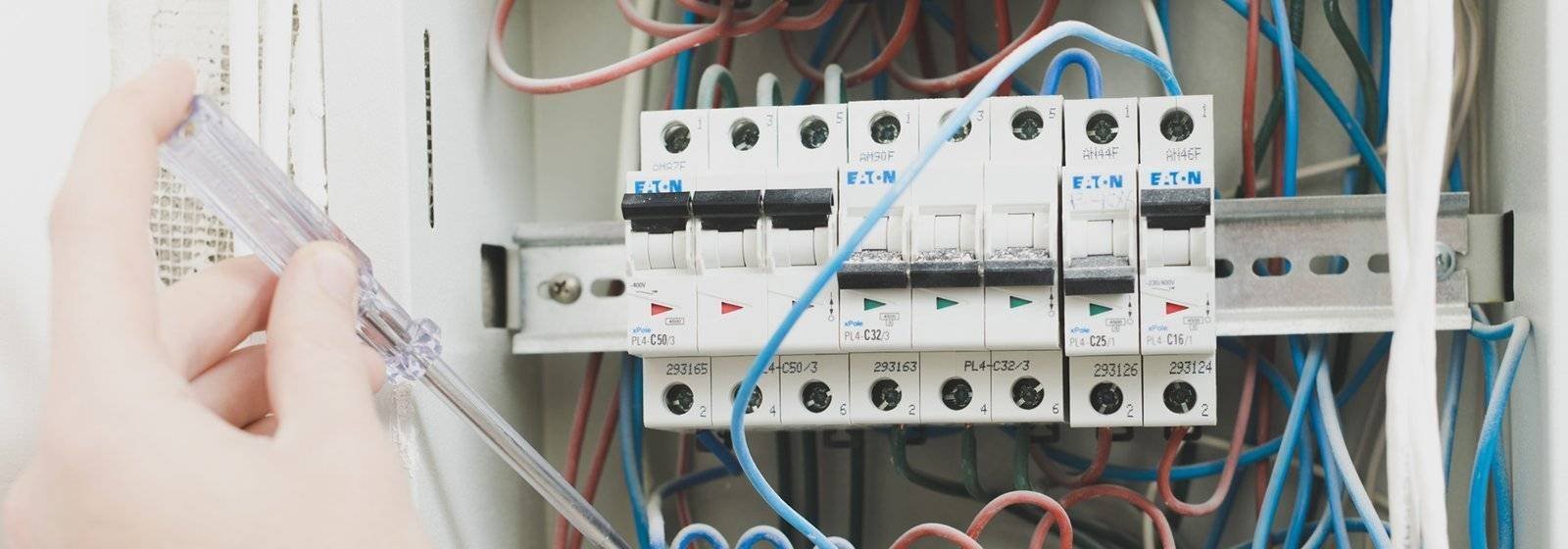
Adding a new air conditioning circuit often raises concerns about whether your entire switchboard needs upgrading. For many homeowners in Australia, this question is common, especially in older homes. Understanding your switchboard’s capacity and safety requirements can save costs and prevent electrical hazards.
Understanding Your Current Switchboard
Your switchboard manages the distribution of electricity across your home. Older switchboards may have outdated circuit breakers, limited spare capacity, or fuses that are no longer compliant with Australian standards (AS/NZS 3000:2018). Adding a new AC circuit requires sufficient space and load capacity.
Some homes built before the 1990s may have a single-phase supply, while modern AC units may require a dedicated circuit with higher amperage. If your switchboard has unused breakers or space, you might not need a complete upgrade.
Factors That Determine the Need for a Full Upgrade
Several factors influence whether a full switchboard upgrade is necessary:
- Age of the switchboard: Units older than 30 years may not handle modern electrical loads safely.
- Available breaker slots: If your switchboard is full, a new circuit cannot be added without expansion.
- Load capacity: Your main switchboard must handle the total amperage of all circuits, including the new AC.
- Type of breakers: Modern AC units require circuit breakers that comply with current safety standards.
Evaluating these factors requires a professional assessment, often using load calculations and inspection of existing wiring.
Risks of Adding an AC Circuit Without Upgrading
Adding a high-load appliance like an air conditioner without checking your switchboard can lead to:
- Overloaded circuits and frequent breaker trips
- Electrical fires due to overheating
- Damage to your AC unit or other appliances
Proper installation ensures the circuit is independent, meets safety standards, and doesn’t compromise your home’s existing electrical infrastructure.
Steps to Determine Your Needs
Before proceeding, follow these practical steps:
- Inspect your switchboard: Look for spare breaker slots and overall condition.
- Calculate load demand: Consider all existing circuits and the new AC’s requirements.
- Consult a licensed electrician: They can determine if a sub-board, additional breaker, or full upgrade is needed.
- Plan for compliance: Ensure the solution adheres to AS/NZS 3000:2018 and local regulations.
When to Call a Professional
If you are unsure whether your switchboard can support a new AC circuit, FMZ Electrical in Australia can assess your home safely. Licensed electricians can recommend either a simple circuit addition or a full switchboard upgrade, ensuring compliance with safety standards and protecting your household.
Conclusion
In most cases, a full switchboard upgrade isn’t automatically required to add a single AC circuit. By evaluating load capacity, available slots, and safety compliance, you can make an informed decision. Contact FMZ Electrical for expert advice to add your AC circuit safely and efficiently. Protect your home and ensure reliable operation with professional guidance.
FAQ
Q1: Can I add a new AC circuit to any switchboard?
A1: Not all switchboards have sufficient capacity or space. An electrician should inspect and assess load requirements before installation.
Q2: How do I know if my switchboard is outdated?
A2: Signs include old fuses, rusted components, lack of spare slots, or units older than 30 years.
Q3: What’s the cost difference between a circuit addition and a full upgrade?
A3: Adding a single circuit is generally less expensive, but a full upgrade may be required if the switchboard is unsafe or lacks capacity.
Q4: Are there Australian standards for adding circuits?
A4: Yes, all installations must comply with AS/NZS 3000:2018 to ensure safety and legal compliance.
